Application fit
candy flavor powder
Candy Flavor Powder
Start with the product, target market, and project goal. Technical details are optional at first contact.
Direct answer
Candy Flavor Powder should be evaluated as a dry-format food flavoring for confectionery, coatings, premixes, and powder candy systems, not as a universal replacement for liquid flavor. Buyers should describe carrier needs, dry blending method, moisture exposure, acid system, target profile, and documents. Use level, flow, stability, and solubility require application testing; shelf life and commercial terms are set for the selected item.
Application checkpoints
Process fit
Review Flow, Carrier, And Dry Blending Needs
Review the detailed guidanceSensory fit
Powder Handling And Bench Trial Notes
Review the detailed guidanceApplication routes
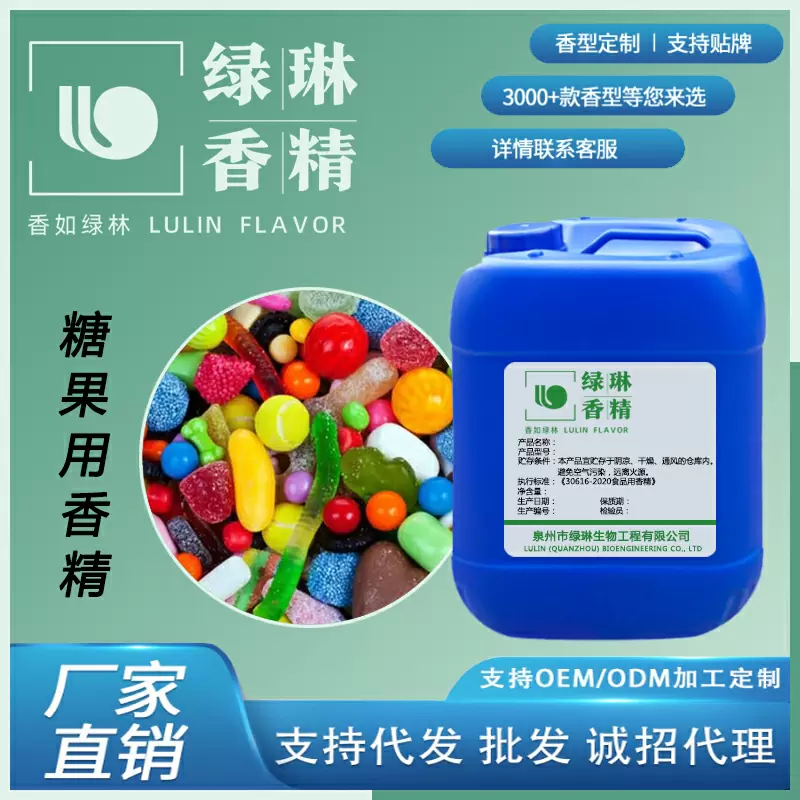
Check Powder Format Against The Candy System
Candy Flavor Powder should be tested inside the buyer's real candy or dry blend, not only as a loose powder. Sugar particle size, acid type, moisture pickup, coating method, heat step, color, and other powdered ingredients can all change the perceived profile. A powder may smell strong at the bench and still need adjustment after tableting, tumbling, coating, dusting, or mixing into a candy premix.
A complete brief includes product type, process, target flavor direction, and comparison product. Use level, heat behavior, acid behavior, solubility, shelf life, storage, and powder performance must be reviewed in the intended dry and finished systems.

Review Flow, Carrier, And Dry Blending Needs
A factory making hard candy may need different review notes from a gummy line, tablet candy, popping candy, sour coating, filling powder, or beverage-style candy powder. Buyers should say whether powdered candy flavoring for dry blends and confectionery systems is the main flavor, a support note, or part of a larger blend.
If the request includes natural, vegan, allergen, or non-GMO wording, keep that as a separate document question. The sensory profile and label claim require separate review.

Powder Handling And Bench Trial Notes
Powder flavor requests should include the carrier expectation if the buyer has one. Maltodextrin, gum-based carriers, starch systems, sugar carriers, or other carriers can affect flow, dusting, bulk density, flavor release, and label review. Verify carrier type, declaration, allergen status, and market suitability for the selected powder. If the powder will be sold as a premix, the supplier also needs to know whether the final user will dissolve it, chew it, coat with it, or process it under heat.
Dry blending is often the first practical test. Ask the buyer to note batch size, mixing order, sieve or milling step, humidity exposure, and whether the flavor is blended with acids, colors, sweeteners, anticaking agents, or high-intensity sweeteners. Evaluate flow, caking, segregation, dust control, and uniformity at a representative batch scale. A small lab jar can hide problems that appear in a ribbon blender, tablet press, coating pan, or sachet filling line.
Sample dilution should match the way the candy will be eaten. For sour powders, test with the acid blend. For tablet candy, compress or simulate compression if possible. For coatings, evaluate adhesion and aroma after storage. Benchmark matching should compare flavor character, powder mouthfeel, and aftertaste separately.
Project challenges
Candy Flavor Powder Needs Dry Handling And Release Review
Candy flavor powder should be checked for more than taste. Buyers should review carrier fit, powder flow, dust, caking, segregation, color impact, and whether the flavor releases properly in the finished candy. A powder used in a dry blend may behave differently from one added to a cooked candy mass or coating.
The buyer should send the candy type, addition point, process heat, acid or sugar system, powder blending route, packaging, and storage condition. If the powder is for a distributor range, list which flavors need the same carrier and document path so the supplier can review the set consistently.
Candy Flavor Powder Should Be Checked For Uniformity
Candy flavor powder can create uneven taste if blending, particle size, carrier, humidity, or segregation is not reviewed. This matters for compressed candy, powder candy, coating powder, gummy premixes, hard candy dry additions, and distributor repacking.
Buyers should send the dry base, mixing equipment if known, addition point, humidity exposure, packaging, target flavor intensity, and whether color specks are acceptable. Test both the powder blend and the finished candy. Record flow, caking, dust, use level, and carrier suitability during the trial.
RFQ checklist
Optional details for follow-up sample planning
These details are optional for first contact. Share them later when they are available.
Send these details when requesting candy flavor powder samples or quotation review:
- Finished application: hard candy, gummy, chewy candy, tablet candy, powder candy, coating, filling, seasoning-style candy dust, or dry premix.
- Target profile: powdered candy flavoring for dry blends and confectionery systems.
- Base formula notes: sweetness, acidity, fat phase, water phase, color, heat step, dry blending, carbonation, dairy-style ingredients, plant base, or competing flavor notes as relevant.
- Preferred food flavoring format: liquid, powder, concentrate, emulsion, oil-compatible, water-soluble, or open to review. Match the format to dry blending, processing, and finished use.
- Testing plan: lab sample, benchmark match, pilot trial, distributor range review, reformulation, or new product development.
- Document needs: request COA, SDS/MSDS, TDS, allergen statements, certificate information, and market declarations for the exact powder and carrier.
- Commercial details: agree MOQ, price, packaging, shelf life, storage, lead time, sample policy, shipment workflow, and payment terms during quotation.
Buyer FAQ
Common questions before sample selection
What information should I send for candy flavor powder?
Send the application, target profile, base formula, process, preferred format, market, document needs, sample purpose, and any benchmark notes. Commercial conditions are quoted for the selected candy flavor powder and packaging format.
Can one sample work across multiple applications?
It may need separate testing. Beverage, candy, bakery, dairy-style, syrup, and powder systems can change flavor release and balance.
How is the powder use level determined?
Use level depends on the finished formula, processing, target intensity, and market review. Set a trial range for the selected powder, then check blend uniformity and finished-candy intensity.
Which documents should be requested?
List the documents your customer or importer needs, including COA, SDS/MSDS, TDS, allergen statements, certificate information, and market-specific declarations. Verify them for the exact powder and carrier system.
What powder handling details affect sample review?
Share the carrier preference, dry blend ingredients, humidity exposure, mixing method, sieve or milling step, filling process, and whether acid or high-intensity sweeteners are present. Evaluate flow, caking, segregation, solubility, use level, and storage behavior in a representative blend.
What should be confirmed before choosing candy flavor powder?
Confirm the candy format, dry blend ingredients, humidity exposure, carrier preference, mixing process, document needs, sample policy, MOQ, price, packaging, and lead time. Use trials to assess flow, caking, dosage, and storage behavior.
What matters when sourcing candy flavor powder?
Send the candy type, powder addition point, blending process, heat exposure, acid or sugar system, carrier limits, flow expectations, storage, packaging, destination market, and document checklist. Test taste and powder handling together.
What handling issues matter for candy flavor powder?
Check blend uniformity, carrier, particle behavior, caking, dust, humidity, color impact, packaging, and storage. Send the candy process, dry base, target flavor, market, and documents.
Topic cluster
Explore related flavor topics
Confectionery Flavors for Candy and Sweet ProductsCompare flavor behavior in candy, gummy, and sweet applications.Powder vs Liquid Food Flavors: Format Selection GuideCompare flavor form, solubility, handling, and application fit.Natural vs Artificial FlavorsReview label wording and claim-sensitive flavor questions cautiously.Food Flavor Compliance Documents Request GuideCheck which document and market questions should be confirmed before ordering.Custom Flavor Development for Food Product ProjectsMove from a general flavor search into a project-specific development brief.Sample requestStart with the product, target market, and project goal. Add technical details later if available.
Inquiry path
Move from page research to sample discussion
Start with your name, email, product or flavor, country, and project details. Add technical information only if it is already available.