

Beverage Flavor Concentrates for Drink Development
Source beverage flavor concentrates for drink bases, syrups, and flavored water. Prepare application, process, format, and document needs before RFQ.

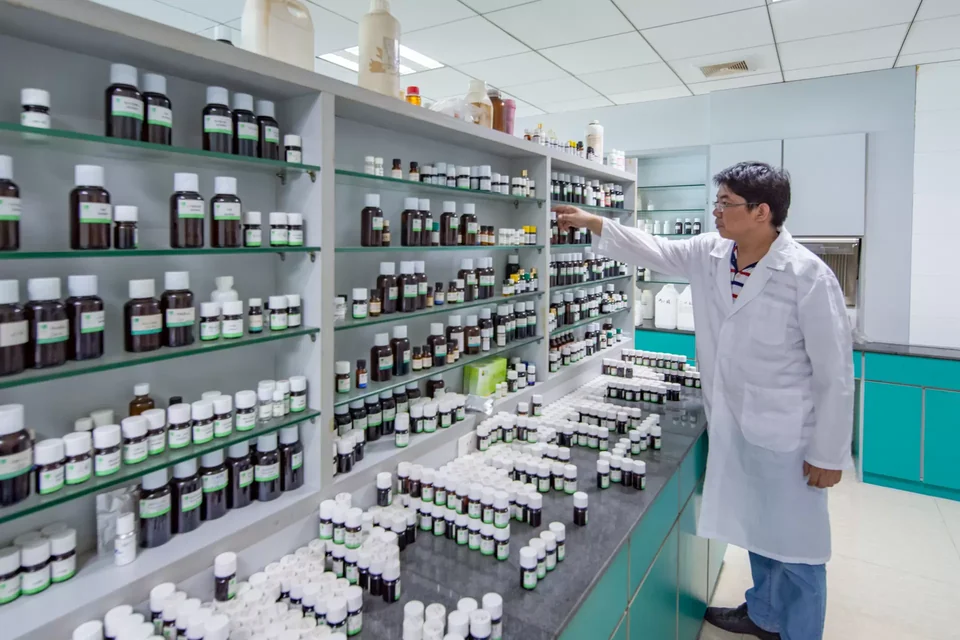
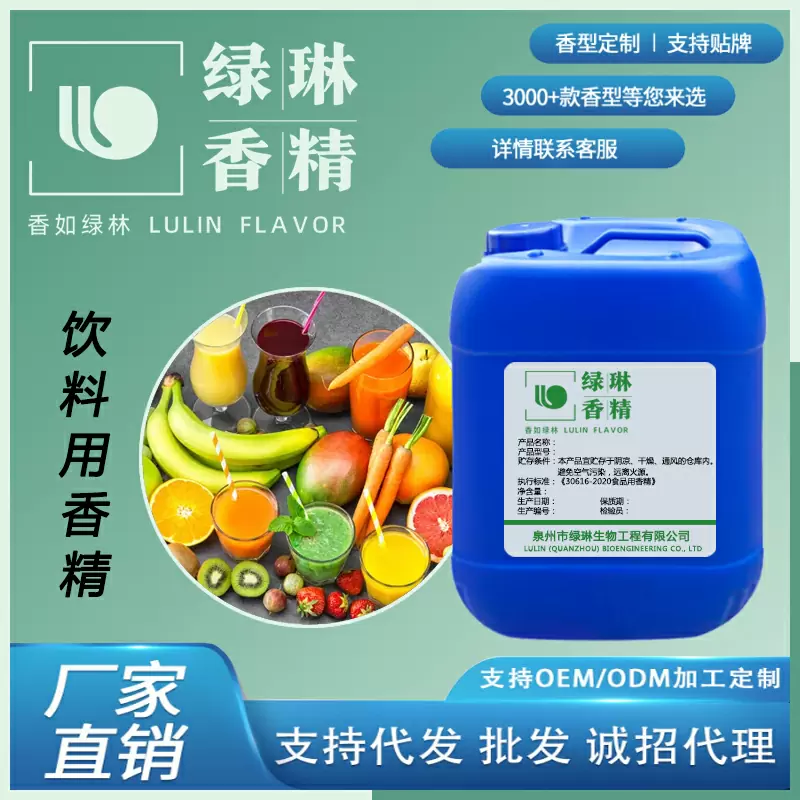
Application visual for flavor selection, sample review, and buyer discussion.
Direct answer
What a buyer needs to know first
Beverage flavor concentrates are requested when a drink buyer wants a focused flavor input for water, syrup, RTD beverages, powdered mixes, or other drink bases. The right sample depends on the finished beverage, process, dilution, target profile, and format needs. Concentration strength, dosage, solubility, stability, documentation, and commercial terms are Needs confirmation.
Buyer brief
Check fit before requesting a sample
Application guidance
Review the flavor in the real product system
What Buyers Usually Mean By Beverage Flavor Concentrates
In beverage sourcing, "concentrate" can mean different things. Some buyers want a strong liquid flavor for a ready-to-drink base. Some want a flavor concentrate for water or flavored water. Others are developing syrup, powdered drink mix, carbonated drink, tea drink, juice drink, or carbonated alcoholic beverage products.
Because the word is broad, the buyer should not assume a universal strength or use rate. A useful inquiry explains the drink base and the role of the flavor. Is the concentrate meant to lead the full profile, support a fruit base, add a top note, mask a base note, or replace an existing supplier sample?
This page should help buyers prepare a clear beverage concentrate brief before requesting samples. It should not promise a fixed concentration ratio or a ready formula without project review.
Match Concentrate Format To The Drink System
The finished drink system decides what should be tested. Water, syrup, juice drink, tea drink, carbonated beverage, dairy-style beverage, and powdered drink mix all create different questions about dispersion, taste balance, appearance, process timing, and label wording.
Format should be discussed with the application in mind. A liquid concentrate may be practical for wet beverage systems and lab adjustment. A powder concentrate may fit dry drink blends or factories that avoid extra liquid ingredients. Other supplier-defined formats require confirmation. Exact carrier, strength, solubility, clarity, stability, shelf life, and storage conditions are Needs confirmation.
Buyers should test beverage flavor concentrates in the real base or a close lab base. Screening in plain water can be helpful for aroma direction, but it may not predict performance in acidic, carbonated, tea, dairy-style, alcoholic, or high-sugar systems.
Concentrate strength should be treated as a trial variable, not a published promise. In early screening, buyers can ask whether the supplier has an approved starting point; if not, build a small internal test ladder around the current benchmark and record sweetness, acidity, aftertaste, color, clarity, and aroma release. Exact use level, dilution ratio, concentration strength, and benchmark match are Needs confirmation.
Syrup programs should check both the syrup and the final diluted drink because a profile that seems strong in syrup may flatten after dilution. Powdered drink projects should review dry mix aroma, flow impact if relevant, and reconstituted taste after the expected mixing time. Carbonated and hot-filled drinks should include process notes before sampling. Reconstitution behavior, carbonation behavior, heat behavior, process order, and storage performance are Needs confirmation.
Sample Review With LULIN FLAVOR
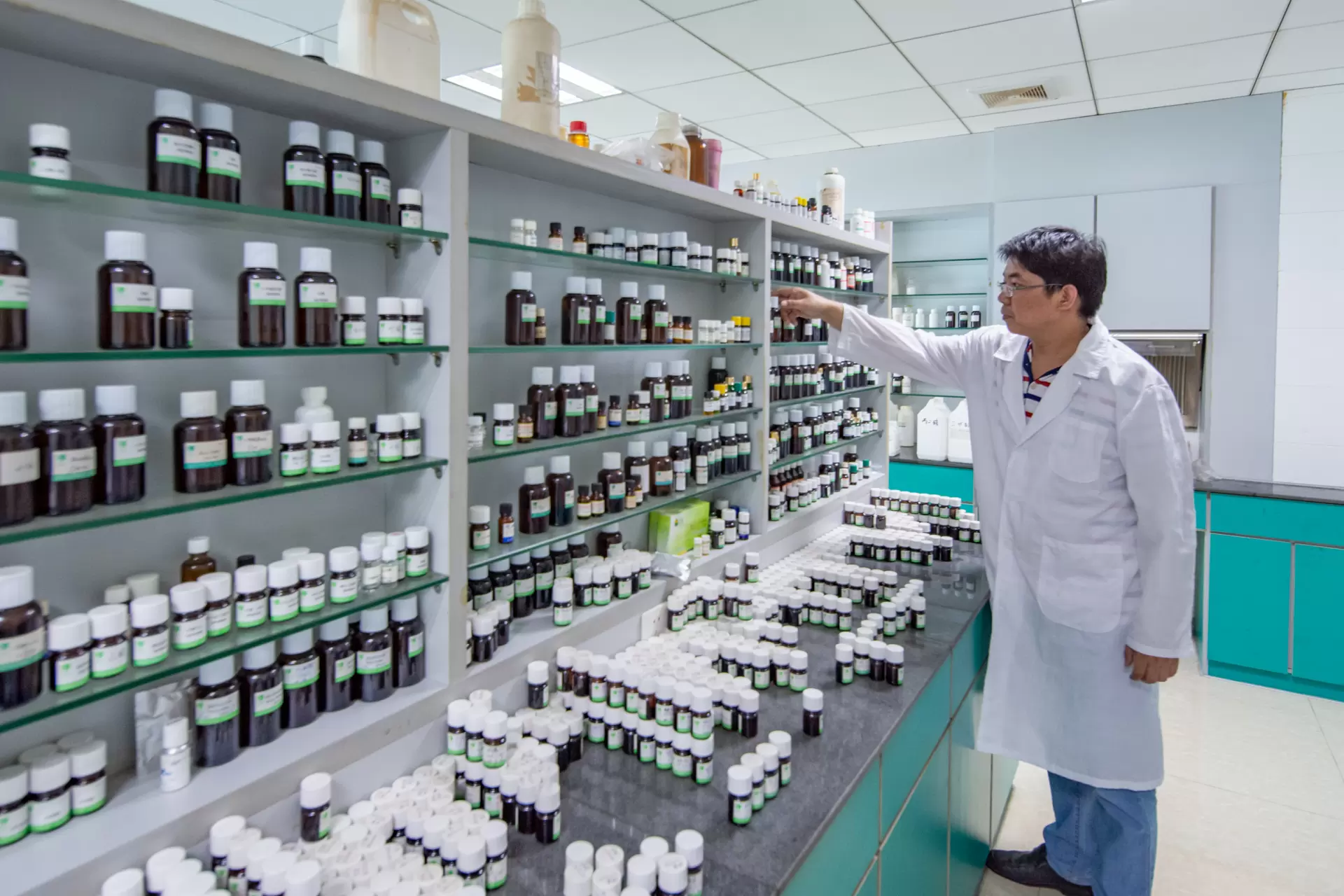
LULIN FLAVOR can be described as the English brand of QUANZHOU LVLIN BIOENGINEERING CO., LTD., a Quanzhou, Fujian manufacturer and supplier of food-grade flavors. Public company information mentions beverage categories, food flavor development, production and sales, and application support.
For beverage flavor concentrates, the most credible offer is a sample review conversation. Buyers send the application, base, process, target profile, format preference, and destination market. LULIN FLAVOR can review whether to start from an existing direction, adjusted sample, or custom development discussion. Exact concentrate lines and capabilities are Needs confirmation.
Beverage Flavor Concentrates Need Dilution And Cost-In-Use Review
Beverage flavor concentrate inquiries should include dilution route, base beverage, acidity, sweetness system, carbonation if used, heat process, clarity target, and expected serving condition. A concentrate that smells strong in the bottle may still need adjustment after dilution or carbonation.
For buyers comparing suppliers, cost-in-use should be reviewed after the sample performs in the real beverage, not before. A lower unit price can become less useful if dosage, aftertaste, cloudiness, or document fit creates extra work. Concentration, use level, pack size, sample policy, price, and lead time are Needs confirmation for the selected item.
Beverage Concentrate Feedback Should Include Diluted Taste And Handling
Beverage flavor concentrate feedback should be taken after the concentrate is diluted, mixed, processed, and served as intended. Buyers should not rely only on neat aroma because concentrate strength, carrier, and base interaction can mislead early decisions.
Record diluted aroma, acidity balance, sweetness, aftertaste, clarity, color, carbonation lift if used, and storage change. Also note handling issues such as viscosity, dosing accuracy, odor control, and packaging preference. This helps the supplier adjust the sample or recommend a different format.
Sample review
Send the details that make a flavor quote useful
Food flavors change with sweetness, acid, fat, process, storage, format, and market requirements. A practical brief helps the supplier choose a better sample path.
RFQ checklist
Information to prepare before requesting samples
- Beverage application: flavored water, RTD beverage, syrup, powdered drink mix, juice drink, tea drink, carbonated drink, dairy-style beverage, carbonated alcoholic beverage, or another drink base.
- Target profile: fruit, citrus, tea, coffee, dairy-style, botanical, cooling, sour, sweet, or private benchmark.
- Flavor role: main character, top note, base support, masking, profile correction, or supplier replacement.
- Base and process: acidity, sweetness system, carbonation, heat treatment, dilution, alcohol content if present, tea solids, juice content, dairy ingredients, or dry blending.
- Preferred format: liquid concentrate, powder concentrate, or open to recommendation. Exact availability is Needs confirmation.
- Evaluation method: test in water, syrup, final drink, powder blend, or side-by-side with a benchmark.
- Document needs: COA, SDS/MSDS, TDS, allergen statement, natural declaration, Halal, Kosher, FDA, EU, non-GMO, vegan, organic, ISO, HACCP, or FSSC are Needs confirmation.
- Commercial notes: forecast, launch stage, target market, and purchasing plan. MOQ, price, sample policy, packaging, lead time, shelf life, and storage are Needs confirmation.
Buyer FAQ
Common questions before sample selection
Are beverage flavor concentrates the same as drink concentrates?
Not always. Buyers may use the phrase for concentrated flavoring, syrup bases, or drink ingredients. This page treats beverage flavor concentrates as flavor inputs for drink development, with exact strength Needs confirmation.
Can beverage flavor concentrates be used in water?
They can be reviewed for water or flavored water applications, but compatibility, clarity, solubility, taste balance, and use level are Needs confirmation through sample testing.
Are beverage flavor concentrates liquid or powder?
They may be liquid, powder, or another supplier-defined format. Buyers should describe the drink system first, then confirm the available format for the target profile.
What dosage should be used?
Exact dosage is Needs confirmation. Use level depends on the concentrate, drink base, target intensity, process, and market requirements.
What should buyers send for sample review?
Send the beverage type, base details, processing conditions, flavor target, preferred format, evaluation method, destination market, and required documents.
How should I brief beverage flavor concentrates?
Send the drink type, dilution ratio, pH or acidity, sweetener system, carbonation, heat process, clarity target, serving condition, dosage target, destination market, and document needs. Test after dilution in the finished drink.
How should beverage concentrate samples be reviewed?
Review after dilution in the finished drink. Record aroma, sweetness, acidity, aftertaste, clarity, color, carbonation, storage change, handling, packaging, market, and documents.
Topic cluster
Explore related flavor topics
Inquiry path