Application fit
butter cream flavoring
Butter and Cream Flavoring for Bakery Applications
Start with the product, target market, and project goal. Technical details are optional at first contact.
Direct answer
Butter and cream flavoring can help create buttery, milky, creamy, custard, or dairy-style notes in bakery products, fillings, creams, and mixes. Buyers should define the product base, process, fat level, heat exposure, target profile, format, and document needs before sampling. Dairy status, allergen details, use level, and process fit must be checked for the selected flavor and recipe.
Application checkpoints
Process fit
Where Butter And Cream Notes Are Used
Review the detailed guidanceSensory fit
Testing Creamy Notes In Fat, Heat, And Dry Mixes
Review the detailed guidance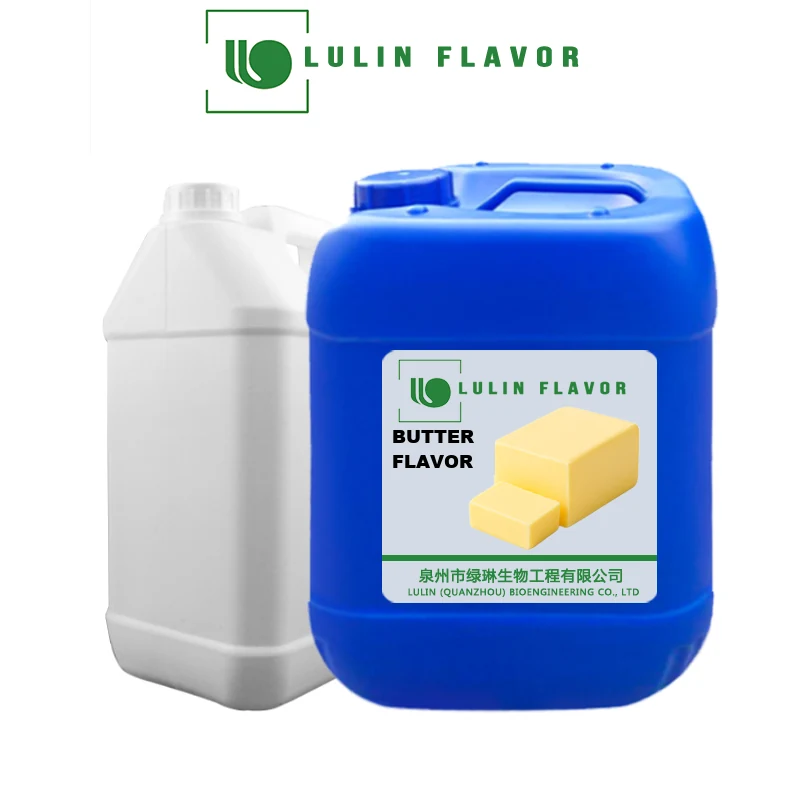
Product packaging
Butter Flavor
Butter flavor packaging for bakery and cream-profile inquiries.
Start with the product or flavor and target market. Item codes, formats, documents, packaging, and commercial terms can be confirmed after we understand the project.
Request samplesApplication routes

Define The Creamy Profile First
Butter and cream flavoring is not one flavor direction. A buyer may want melted butter aroma, sweet cream body, condensed milk depth, custard softness, light dairy background, rich cake note, or a creamy mouthfeel impression. These sensory goals need different sample directions.
The application matters as much as the name. A butter note in a biscuit can be judged after baking and cooling. A cream note in a filling may be judged in a fat-rich system. A milk note in a dry premix may need even distribution before preparation. The inquiry should explain the finished food and tasting condition.
Dairy ingredient replacement, allergen status, non-dairy status, vegan status, and natural status require product-specific documentation and label review.

Where Butter And Cream Notes Are Used
Bakery buyers may request butter and cream notes for cakes, sponge cakes, cookies, biscuits, wafers, breads, pastries, fillings, creams, toppings, icings, and dry mixes. Heat, moisture, fat, sugar, starch, and storage can all affect the final flavor. Heat performance, shelf stability, dosage, shelf life, and storage conditions must be established for the selected flavor in the intended bakery system.
Some projects need the flavor to survive baking. Others need a fresh cream note after cooling or in a filling. Some buyers need a profile to round fruit, vanilla, caramel, coffee, chocolate, or nut-style flavors. The sample request should say whether the creamy note is the main identity or a supporting layer.
If a buyer has a benchmark, describe it with practical sensory language: sweet cream, cooked milk, buttery, toasted, custard-like, cheese-like, or clean dairy. Avoid relying only on a brand name or a consumer product reference.

Testing Creamy Notes In Fat, Heat, And Dry Mixes
Butter and cream notes should be tested in the same fat level and process used by the finished product. A flavor that tastes full in a cream filling may feel weak after baking, while a strong butter note in a biscuit can become heavy in an icing. Buyers should say whether the target is fresh dairy, browned butter, condensed milk, custard, or a low-key creamy background. Include tasting temperature because chilled creams and warm fillings release dairy notes differently.
The preferred format depends on plant handling. Liquid flavoring may suit creams, fillings, batters, coatings, and dosing systems. Powder flavoring may suit cake mixes, biscuit premixes, beverage powders, and dry dessert blends. Emulsion, oil-compatible, water-dispersible, and concentrate options depend on the selected profile and application. Ask the supplier to review heat exposure, fat compatibility, moisture, whipping or aeration, storage, use level, allergen status, dairy status, and label claims before the project moves from bench sample to pilot trial.
Sample Review With LULIN FLAVOR
LULIN FLAVOR handles food-grade flavor inquiries for bakery and confectionery applications. Product profile names, formats, carriers, and document wording must be verified for the exact butter or cream flavor under review.
Buyers can send a bakery brief with base, process, flavor goal, format preference, and target market. LULIN FLAVOR can review whether an existing dairy-style direction, adjusted sample, or custom discussion may fit, with the available support defined after the formula and trial scope are reviewed.
Project challenges
Butter And Cream Notes Depend On Fat And Heat
Butter and cream flavoring should be reviewed in the actual base because fat, heat, sugar, salt, and dairy solids can change the impression. A butter note for cookies is different from buttercream, cream filling, popcorn-style seasoning, caramel, or dairy dessert. The buyer should describe the target application before choosing a sample.
Some projects need a fresh cream note, while others need cooked butter, sweet cream, milk fat, vanilla cream, or bakery butter. If the product is plant-based, the buyer should state which off-note or missing dairy body needs improvement.
Feedback For Butter-Cream Trials
Evaluate the finished product after heating or storage. Note whether the sample is too buttery, too cheesy, too milky, too artificial, too weak, or too heavy. If the product contains cocoa, spice, fruit, or high sugar, say whether those ingredients hide or distort the cream note.
Buyer Decision Checkpoint
Butter and cream flavors should be judged against the role they play in the finished product. A cookie may need baked butter lift, a filling may need sweet cream body, a plant-based product may need dairy masking, and a seasoning may need savory butter. The buyer should name that role before asking for a quote.
Butter Cream Flavoring Should Balance Dairy Body And Heat Notes
Butter cream flavoring may be used in bakery, frosting, biscuits, cakes, dairy desserts, beverages, candy, or ice cream. Buyers should define whether they want fresh butter, cooked butter, sweet cream, milk cream, vanilla cream, or richer dessert body.
Send fat level, dairy or plant base, heat process, sugar system, target mouthfeel, and benchmark. In bakery, cooked notes and bake survival matter. In frosting, sweetness and fat balance matter. In beverages or dairy, solubility and aftertaste are often more important. Set the use level through bench trials in the finished base.
RFQ checklist
Optional details for follow-up sample planning
These details are optional for first contact. Share them later when they are available.
- Application: cake, cookie, biscuit, wafer, bread, pastry, filling, cream, icing, topping, dry mix, or confectionery.
- Desired profile: butter, sweet cream, milk, condensed milk, custard, vanilla cream, cheese-like, toasted butter, or creamy background.
- Product base: high-fat, low-fat, baked, filled, dry blend, water-based, sugar-based, or dairy-style system.
- Process: mixing, baking, cooling, filling, whipping, powder blending, coating, or storage trial.
- Flavor role: main profile, body builder, aftertaste correction, fruit support, vanilla support, or supplier replacement.
- Format preference: liquid, powder, concentrate, emulsion, or open to review. Match the request to formats available for the selected dairy-style profile.
- Documents: request the allergen statement, ingredient statement, natural declaration, COA, SDS/MSDS, TDS, or certificate information required for the exact item and destination market.
- Commercial details: discuss sample policy, MOQ, price, packing, shelf life, storage, lead time, and shipment workflow during quotation.
Buyer FAQ
Common questions before sample selection
What is butter and cream flavoring used for?
It may be reviewed for bakery, fillings, creams, toppings, mixes, and confectionery where a buttery, milky, creamy, or custard-style note is needed.
Does butter flavoring contain dairy?
Do not assume that from the name. Check ingredient, allergen, dairy status, and label wording for each selected product.
Can cream flavoring be used in baked goods?
It may be reviewed, but baking process, fat level, moisture, and target aroma affect suitability. Verify performance in the intended recipe and bake cycle.
Should I request liquid or powder format?
State the process and handling preference. The suitable liquid, powder, concentrate, or emulsion option depends on the profile and production system.
What should I send for a sample?
Send the bakery application, base, process, desired creamy profile, preferred format, market, document list, and testing plan.
What details help source butter or cream flavoring?
Send the application, base type, fat level, heat process, target butter or cream style, plant-based context if relevant, format preference, sample purpose, and document needs. Test the flavor in the finished product.
What details help source butter cream flavoring?
Send application, butter or cream style, fat and sugar context, dairy or plant base, heat process, mouthfeel target, benchmark, market, format, and documents.
Topic cluster
Explore related flavor topics
Bakery Flavors for B2B Baked Goods DevelopmentCompare flavor behavior in baked and heated applications.Powder vs Liquid Food Flavors: Format Selection GuideCompare flavor form, solubility, handling, and application fit.Natural vs Artificial FlavorsReview label wording and claim-sensitive flavor questions cautiously.Food Flavor Compliance Documents Request GuideCheck which document and market questions should be confirmed before ordering.Custom Flavor Development for Food Product ProjectsMove from a general flavor search into a project-specific development brief.Sample requestStart with the product, target market, and project goal. Add technical details later if available.
Inquiry path
Move from page research to sample discussion
Start with your name, email, product or flavor, country, and project details. Add technical information only if it is already available.