food flavor manufacturer

Food Flavor Manufacturer For B2B Product Development

Evaluate a food flavor manufacturer by application knowledge, sample process, quality questions, document handling, and RFQ discipline.

Company overview

Company information and business overview

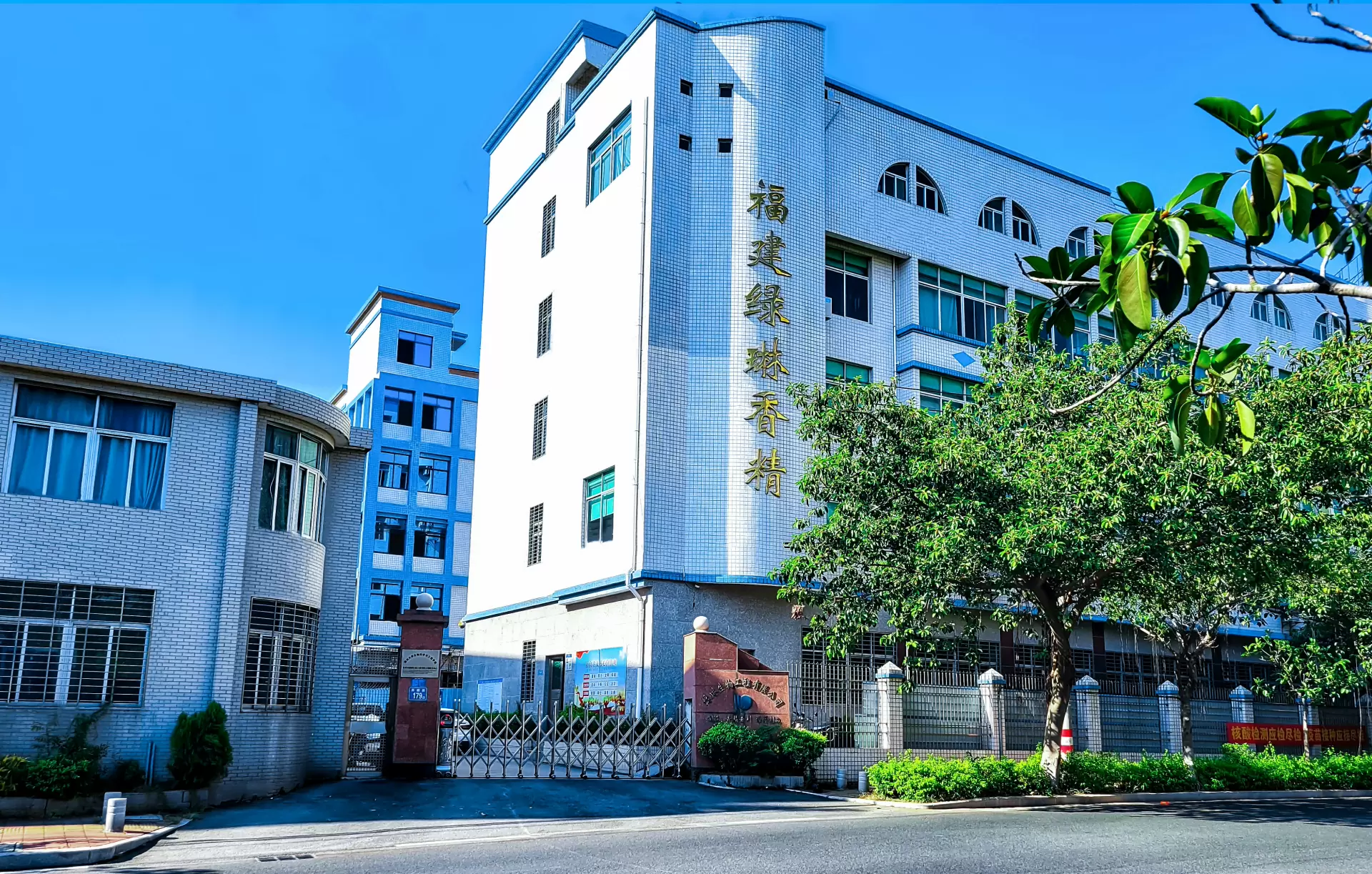
A food flavor manufacturer should help B2B buyers connect a target taste with the finished application, process, format, evaluation method, and purchasing stage. LULIN FLAVOR is the English brand of a Quanzhou-based food-grade flavor company established in 2001. Buyers should confirm item-level documents, application fit, quality requirements, packaging, MOQ, pricing, and timing before ordering.
Application context
Finished product, process, sensory target, and trial plan.
Item-level evidence
Specifications and documents reviewed for the selected item.
Project stage
Sample, approval, and commercial questions kept in one brief.

Who we are

What A Food Flavor Manufacturer Should Help You Decide

A useful manufacturer conversation begins with the finished product, not the flavor name. Mango, vanilla, milk, caramel, coffee, or meat-style profiles can behave differently in beverages, bakery products, confectionery, dairy-style systems, seasonings, and dry blends. The manufacturer needs enough context to select a relevant sample direction.

For beverages, buyers may need to explain acidity, sweetness, dilution, carbonation, clarity, heat treatment, or alcohol content. Bakery teams may focus on dough or batter, fat content, baking conditions, fillings, toppings, and aroma after cooling. Confectionery projects may depend on sugar system, acidity, cooking, coating, filling, and flavor release during eating.

A food flavor manufacturer should also help define the next decision. Is the buyer screening profiles, replacing a current supplier, matching a benchmark, adjusting an existing direction, preparing a pilot run, or moving an approved flavor toward a commercial RFQ? Each stage requires a different level of technical and commercial detail.


LULIN FLAVOR Company Background

LULIN FLAVOR is the English brand of QUANZHOU LVLIN BIOENGINEERING CO., LTD., located in Quanzhou, Fujian, China. The company states that it was established in 2001 and works in the development, production, and sales of food-grade flavors.

That background gives buyers a starting point, but supplier qualification should rely on project-specific evidence. Buyers should ask how the company identifies samples, records feedback, handles item specifications, manages quality questions, and communicates quotation assumptions.

Facility scale, production-line details, staffing, engineering experience, and quality-control descriptions should only be used after the exact English wording and current facts have been checked. The same discipline applies to certificates, market statements, product documents, and commercial terms.

Application Support For Food And Beverage Projects

Application support can include reviewing a buyer brief, discussing flavor direction, comparing samples, or considering whether an adjusted or custom route is appropriate. It is not automatically a commitment to design the buyer's complete finished formula or deliver a fixed result.

A strong brief includes the base product, target sensory profile, processing conditions, benchmark, current problem, preferred format, and evaluation method. For example, "mango flavor for beverage" becomes more actionable when the buyer adds acidity, sweetener system, heat step, dilution, target style, and the reason the current sample is failing.

The feedback loop matters as much as the first sample. Buyers should record the sample code, use level tested, base formula, process, tasting date, result, and requested change. Sample adjustment scope, number of rounds, fees, ownership, confidentiality, and timing should be agreed before a more involved development project begins.

Values and responsibilities in practice

Quality Control Questions Buyers Should Ask

Quality discussions should focus on the selected product and order stage. Before approving a flavor, buyers can ask how raw materials, in-process checks, finished-product inspection, packaging, batch identification, and release records are handled. The answer should be tied to current company procedures and the exact item.

Useful questions include:

  • How is the flavor identified from sample through commercial order?
  • Which specification or technical information applies to the selected item?
  • What receiving checks should the buyer perform?
  • How are batch, package, and storage details communicated?
  • What is the process for reporting a quality concern or sample mismatch?

If a customer's qualification file requests COA, SDS/MSDS, TDS, allergen information, or other supporting materials, list those files early and confirm their scope for the selected item. If Halal, Kosher, ISO, HACCP, FSSC, FDA-related, or EU-related information is requested, confirm the exact wording and evidence before relying on it.

Manufacturer Review Questions Beyond Product Names

Buyers comparing manufacturers should assess whether each supplier asks about the product system behind the flavor request. Relevant topics may include carrier choice, solubility, aroma release, heat, acid, fat phase, powder handling, storage, and label wording. None of these can be assumed from a category name alone.

Ask each candidate manufacturer the same core questions:

  • Which application details are needed before sample selection?
  • What is the recommended way to evaluate the first sample?
  • How should feedback be recorded for a revision?
  • Which documents can be reviewed for the exact item?
  • What information is required before a commercial quotation?

The quality of these answers is more useful than the length of a catalog.

Evidence Buyers Should Request From A Manufacturer

Evidence should match the purchasing stage. Early sensory screening may require only clear sample identification and enough technical context to run a meaningful trial. Customer approval may require a defined item, application notes, and a specific document checklist. A commercial order may add packaging, batch, storage, payment, and schedule questions.

Keep technical approval and commercial approval connected. A flavor that passes tasting but does not meet the buyer's document or packaging requirements is not ready for purchase. Likewise, a low quotation has little value if the sample has not been tested in the real process.

Manufacturer Evaluation Should Include Application Review, Not Only A Catalog

The strongest manufacturer inquiry explains the base product, target profile, process, evaluation method, customer requirements, and purchasing stage. LULIN FLAVOR can review that brief and discuss a suitable next step without making category-wide claims about use level, stability, certificates, regulatory status, MOQ, packaging, or timing.

Buyer FAQ

Common questions before sample selection

What should buyers look for in a food flavor manufacturer?

Look for application understanding, a clear sample process, disciplined feedback handling, traceable item information, useful quality answers, document transparency, and commercial assumptions that match the project stage.

Is LULIN FLAVOR a manufacturer or trading company?

LULIN FLAVOR is the English brand of QUANZHOU LVLIN BIOENGINEERING CO., LTD. The company describes its business as the development, production, and sales of food-grade flavors. Buyers should confirm legal and qualification details during supplier approval.

Can the company help with application adjustment?

Buyers can submit an application brief and sample feedback for discussion. The exact support scope, number of adjustment rounds, cost, timing, confidentiality, and ownership terms should be agreed for the project.

What documents should a food flavor buyer request?

Request only the files required by the buyer's QA team, customer, importer, or market review. Confirm document names, scope, item coverage, language, and timing before approving the flavor.

Should I send a sample request or ask for a bulk quote first?

Start with a sample request when the flavor direction is still being evaluated. When the item is selected, add quantity planning, packaging, destination, document requirements, and schedule to the RFQ.

What should a buyer ask before bulk ordering?

Ask about the approved item, application test, process conditions, format, specification, required documents, package, storage, quantity, payment, destination, and schedule. Confirm the commercial terms against the exact order.

How should I compare food flavor manufacturers?

Compare application knowledge, sample relevance, revision handling, quality communication, document clarity, item traceability, and quotation assumptions. Use the same buyer brief for every supplier so the comparison is meaningful.