Application review
food flavor distributor
Food Flavor Distributor Inquiry Guide
Build a focused food flavor distributor inquiry covering applications, market demand, sample workflow, customer documents, and commercial planning.
Direct answer
A food flavor distributor inquiry should identify the territory, customer types, priority applications, flavor categories, sample workflow, document checklist, and expected purchasing model. A focused starter range is usually easier to evaluate than a broad catalog request. Distributor terms, product scope, territory arrangements, documents, packaging, pricing, MOQ, and timing must be confirmed for the proposed cooperation.
Supplier capabilities
Review the capabilities behind a workable sourcing route.
Format review
Supplier Background For Distributor Screening
Review the detailed capabilityEvidence review
Application Categories For Distributor Customers
Review the detailed capabilityCommercial review
Document And Market Questions
Review the detailed capabilitySupply review
Distributor Shortlist Checkpoint
Review the detailed capabilityPortfolio
What A Distributor Should Clarify First
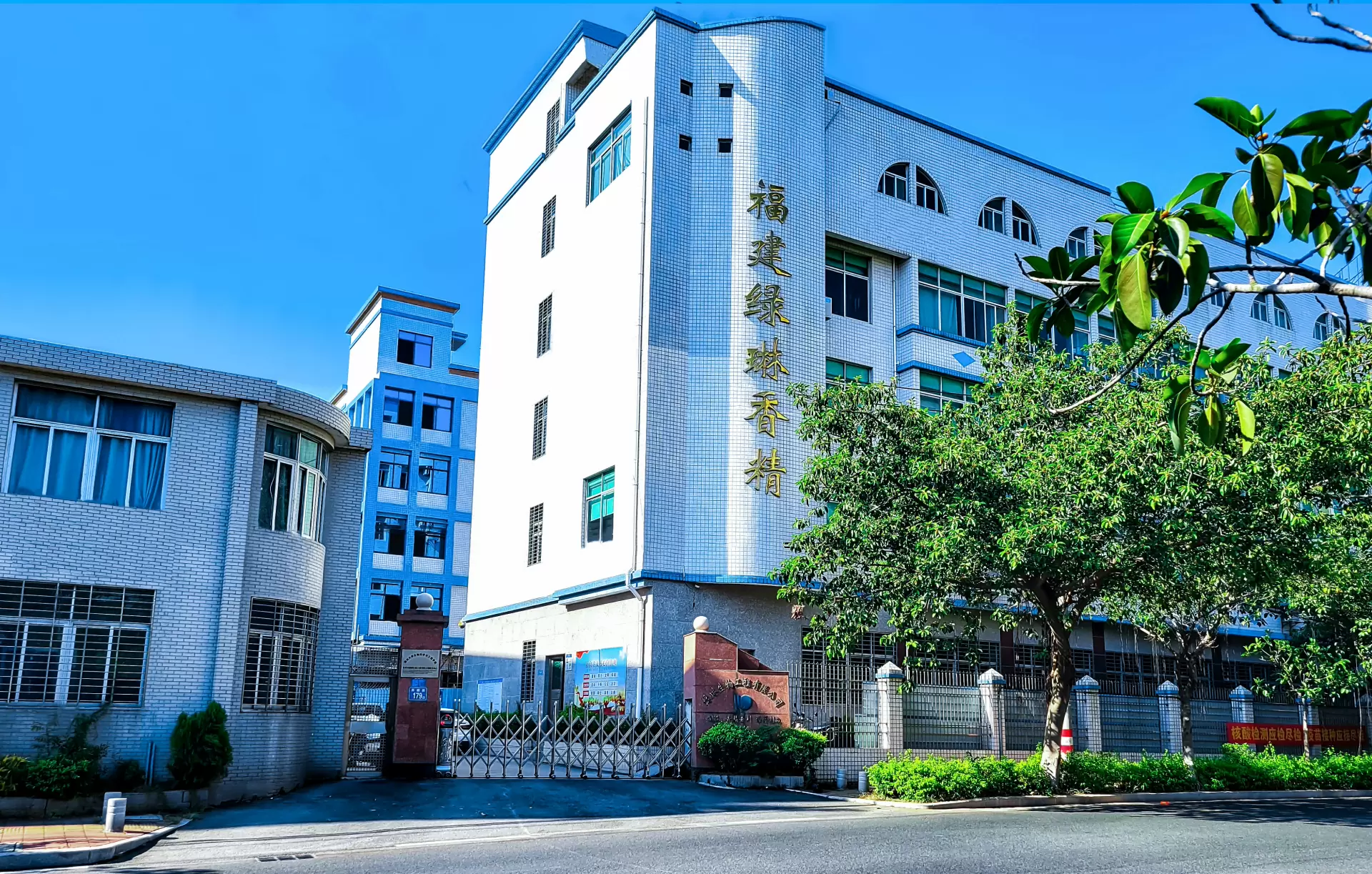
A distributor inquiry covers more than one flavor or one factory trial. The distributor may need to screen a range, answer local customer questions, coordinate samples, collect feedback, manage technical files, and plan repeat orders. The first message should therefore explain the commercial role and the market opportunity.
Start with the territory, customer segments, and applications that already generate demand. A beverage flavor distributor may be serving juice, carbonated drinks, syrups, powdered beverages, or dairy-style drinks. Another distributor may focus on bakery, confectionery, savory seasonings, fillings, or private label manufacturing. This context helps the supplier understand which flavor directions deserve attention first.
Avoid requesting a large, unranked catalog. A stronger inquiry lists five to ten priority profiles, the applications behind them, and the reason each profile matters. That gives both sides a practical basis for sample selection and prevents the first evaluation round from becoming too broad to manage.
Supplier Background For Distributor Screening
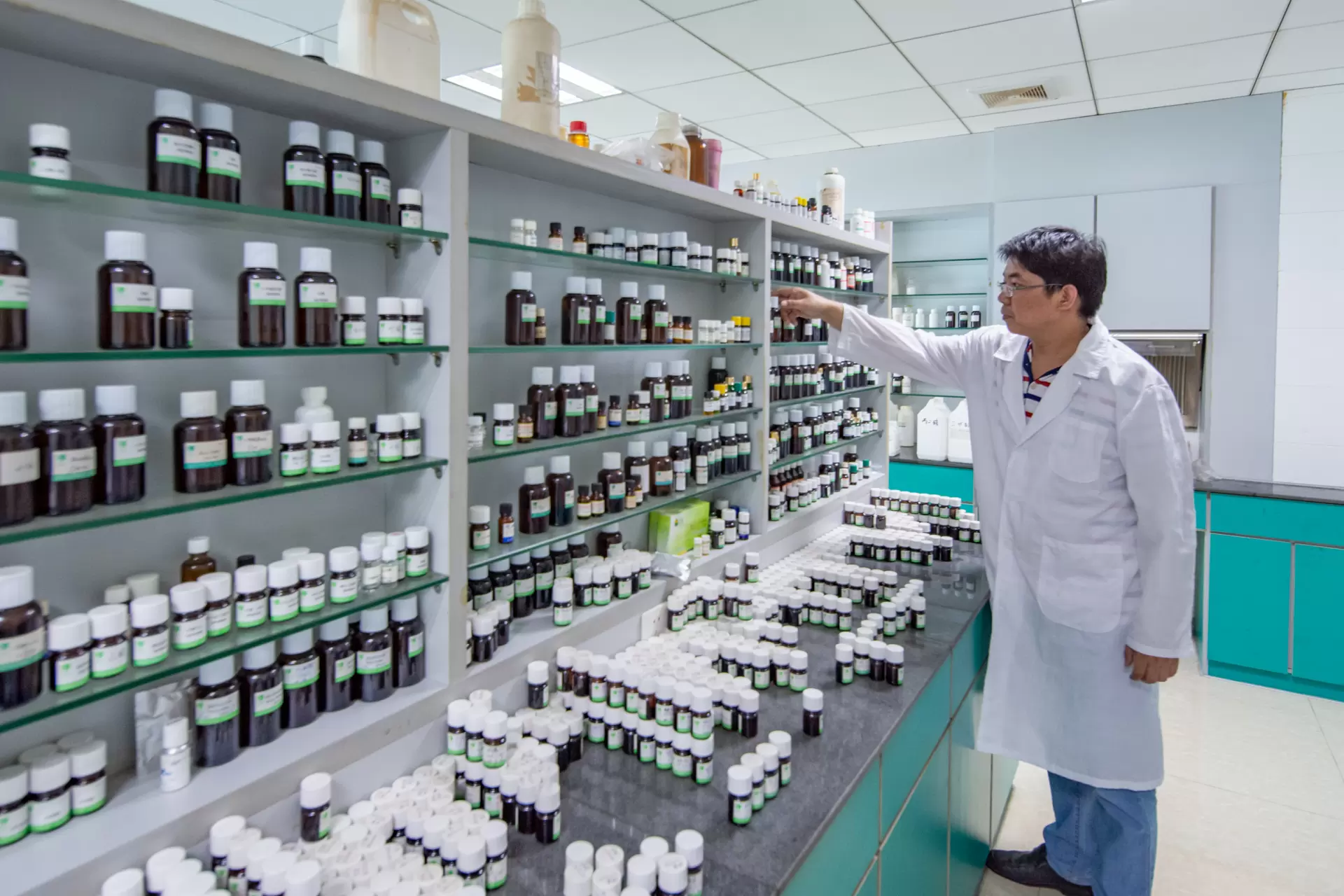
LULIN FLAVOR is the English brand of QUANZHOU LVLIN BIOENGINEERING CO., LTD. in Quanzhou, Fujian, China. The company describes its business as the development, production, and sales of food-grade flavors and states that it was established in 2001.
For distributor screening, company background is only one part of the decision. Buyers should also compare how clearly a supplier handles application questions, sample feedback, item identification, document requests, and commercial assumptions. A distributor needs information that can be passed accurately to local customers, not simply a long list of flavor names.
The initial discussion should establish whether the proposed customer applications and flavor categories fit the supplier's current scope. Territory arrangements, private label requests, distributor support, packaging, and any ongoing range-management process require a separate commercial review.
Featured topics
Application Categories For Distributor Customers
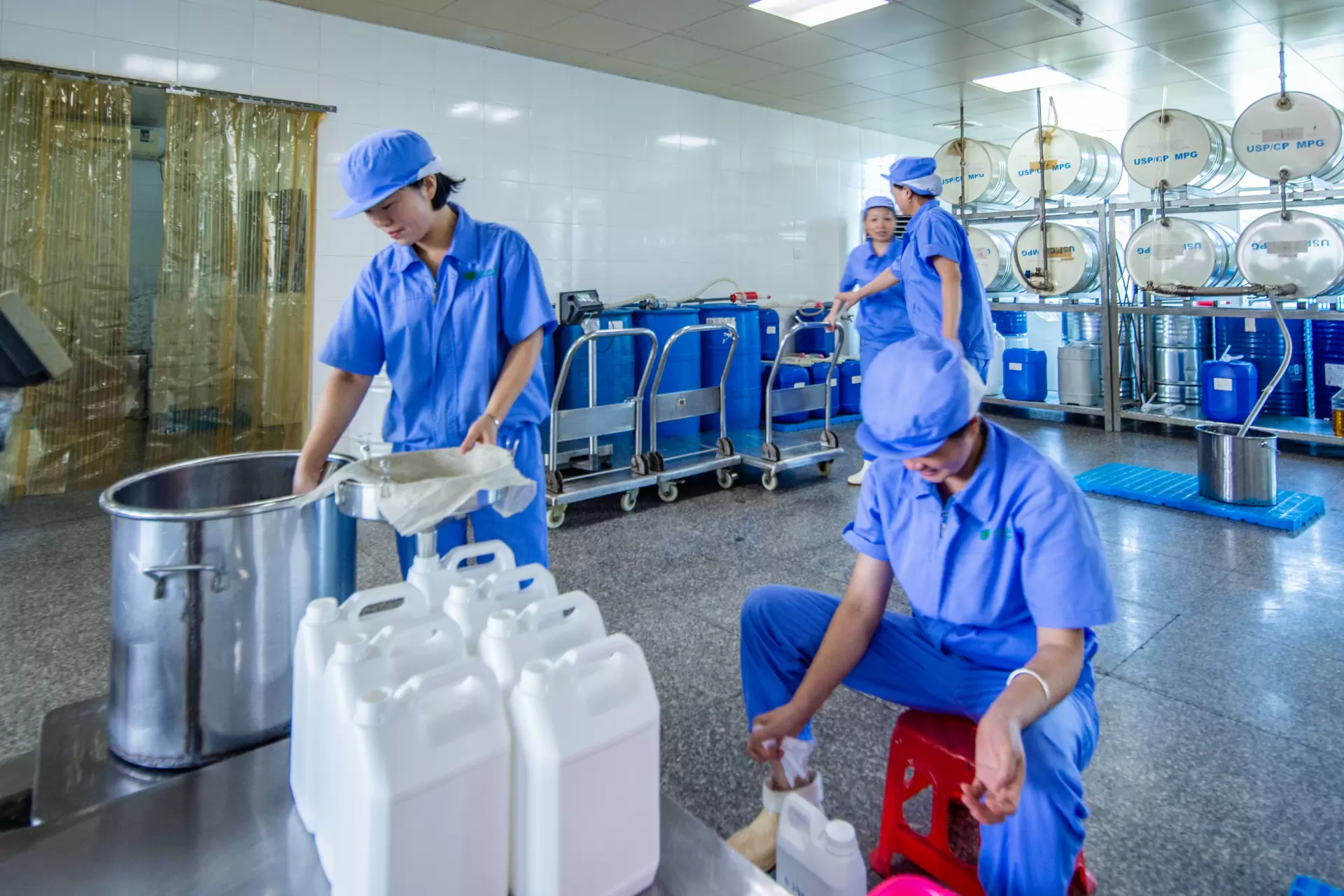
Food flavor distributors often serve several industries, but the first range should follow real customer demand. Beverage inquiries may include fruit, tea, coffee, dairy-style, cola, syrup, or carbonated drink profiles. Bakery customers may request vanilla, butter, milk, cream, fruit, nut-style, or chocolate-style directions. Confectionery customers may focus on hard candy, gummies, chewing products, fillings, or coatings.
The application changes how a sample should be evaluated. A fruit profile selected for a beverage cannot be assumed to fit a baked filling or a high-sugar candy system. The distributor should share relevant process details such as heat, acidity, carbonation, fat phase, alcohol content, dry blending, dilution, and point of addition.
If local customers will test the samples, explain who will collect feedback and how it will be reported. Useful feedback describes the base product, sample code, use level tested, sensory result, process impact, and desired adjustment. Statements about application fit or performance should follow actual evaluation of the selected item.
Document And Market Questions
Distributor projects often involve several review layers: the importer, the distributor's QA team, a local manufacturer, a brand customer, or a retailer. A clear document checklist prevents the sensory team from approving a flavor that later stalls in customer review.
Ask customers which files they require and at what stage. Requests may include COA, SDS/MSDS, TDS, allergen information, ingredient or declaration wording, or market-specific supporting materials. If Halal, Kosher, ISO, HACCP, FSSC, FDA-related, or EU-related information is requested, confirm the exact item, scope, issuing basis, and wording before presenting it to a customer.
Also state whether documents need a product code, batch number, signature, stamp, translation, or specific validity period. The supplier can then review the request against the selected flavor instead of responding to a vague request for "all documents."
Distributor Shortlist Checkpoint
A practical shortlist balances market demand with operational effort. Compare candidate flavors by application relevance, customer interest, document requirements, storage considerations, packaging expectations, and likely reorder frequency. A concentrated first range makes sample tracking and customer feedback easier.
For each shortlisted profile, record:
- Priority application and customer segment.
- Target sensory direction and any benchmark.
- Preferred format or openness to supplier review.
- Sample recipients and evaluation schedule.
- Customer document checklist.
- Estimated first-order and repeat-order planning range.
This creates a working range plan that can be refined after local trials.
Distributor Flavor Programs Need Reorder And Range Planning
The first sample set is only the beginning of a distributor relationship. Before discussing a wider range, the distributor should explain how products will be introduced, how customer feedback will be consolidated, and which profiles are likely to generate repeat demand.
Compare suppliers by sample relevance, response quality, item traceability, document clarity, quotation assumptions, and communication during repeat-order planning. Territory, exclusivity, pricing, MOQ, payment, packaging, lead time, and support arrangements must be agreed for the specific commercial proposal rather than inferred from an introductory conversation.
RFQ checklist
Optional details for follow-up sample planning
These details are optional for first contact. Share them later when they are available.
Distributors and importers should send:
- Company role: distributor, importer, agent, trading company, ingredient reseller, or beverage flavor distributor.
- Target territory, selling channels, and customer segments.
- Priority applications: beverages, bakery, confectionery, dairy-style products, savory seasonings, syrups, powder mixes, sauces, or other foods.
- Ranked flavor profiles with the business reason for each request.
- Preferred format: liquid, powder, water-soluble, oil-compatible, emulsion, concentrate, or open to review; confirm the selected format by item.
- Sample workflow: distributor screening, named-customer trial, local lab evaluation, reformulation, replacement, or tender support.
- Customer document list, with exact scope and timing; confirm availability for every selected item.
- Commercial questions covering territory, price, MOQ, packaging, private label, freight, payment, and target timing.
- Importer or customer requirements for language, labeling, signatures, stamps, translation, or other review details.
- Problems with current suppliers, such as poor sample relevance, inconsistent communication, document gaps, or limited application feedback.
Buyer FAQ
Common questions before sample selection
Can distributors contact LULIN FLAVOR about regional cooperation?
Distributors can submit their territory, customer base, application focus, priority flavor list, and document requirements for review. Any distributor structure, agency arrangement, territory, or exclusivity term must be discussed and agreed separately.
What should a beverage flavor distributor include in an inquiry?
Send the target market, beverage types, flavor profiles, customer segments, sample workflow, document checklist, quantity planning, and any importer or label requirements.
Can distributors request COA, SDS/MSDS, and TDS files?
Yes, these files can be included in the request list. Confirm which documents apply to the exact flavor item, project stage, customer requirement, and batch or shipment context.
Are distributor exclusivity or territory rights available?
Do not assume exclusivity or territory rights from an introductory inquiry. Those terms, along with pricing, MOQ, payment, packaging, and timing, require a specific commercial agreement.
Can one distributor inquiry cover multiple food applications?
Yes, but priorities should be ranked. Beverage, bakery, confectionery, savory, syrup, and powder applications may need different flavor directions, sample tests, and document review.
What should distributors send when sourcing food flavors?
Send the target market, customer types, priority applications, ranked flavor list, sample plan, document checklist, quantity stage, packaging expectations, and likely reorder pattern.
Topic cluster
Explore related flavor topics
Powder vs Liquid Food Flavors: Format Selection GuideCompare flavor form, solubility, handling, and application fit.Natural vs Artificial FlavorsReview label wording and claim-sensitive flavor questions cautiously.Food Flavor Compliance Documents Request GuideCheck which document and market questions should be confirmed before ordering.Custom Flavor Development for Food Product ProjectsMove from a general flavor search into a project-specific development brief.Sample requestStart with the product, target market, and project goal. Add technical details later if available.Beverage Flavors for Drinks and Product DevelopmentCompare flavor behavior in beverage and water-based applications.
Inquiry path
Move from page research to sample discussion
Start with your name, email, product or flavor, country, and project details. Add technical information only if it is already available.