Application fit
cake flavoring
Cake Flavoring for Cakes, Mixes, and Cream Systems
Start with the product, target market, and project goal. Technical details are optional at first contact.
Direct answer
Cake flavoring should be selected around the cake format, addition point, base composition, process, and target sensory profile. A baked sponge cake, cake premix, cream filling, or topping system may need a different flavor direction. Buyers should share the application, process notes, flavor goal, preferred format, market, and document needs before requesting samples.
Application checkpoints
Process fit
Batter, Premix, Filling, And Cream Need Different Reviews
Review the detailed guidanceSensory fit
Cake Flavor Sample Review With LULIN FLAVOR
Review the detailed guidanceApplication routes

Define The Cake System Before Choosing A Flavor
Cake flavoring is not only a flavor name on a list. In B2B development, the same vanilla, milk, butter, chocolate, lemon, strawberry, coconut, coffee, caramel, or cheese-style direction can read differently in sponge cake, layer cake, muffin, steamed cake, cake premix, filling, or cream.
Start with the product format. Is the flavor mixed into batter before baking, blended into a dry cake mix, added to whipped cream, used in a sandwich filling, or applied in a topping? The answer changes the sample discussion. A cake base may need aroma after processing and cooling, while a cream system may need smoothness, dairy body, and a clean finish.
Buyers should also describe the role of the flavor. Some projects need the main product identity, such as chocolate cake or lemon cake. Others need a background note, such as butter, milk, vanilla, or cream support. A clear role helps the supplier avoid sending a generic bakery sample.
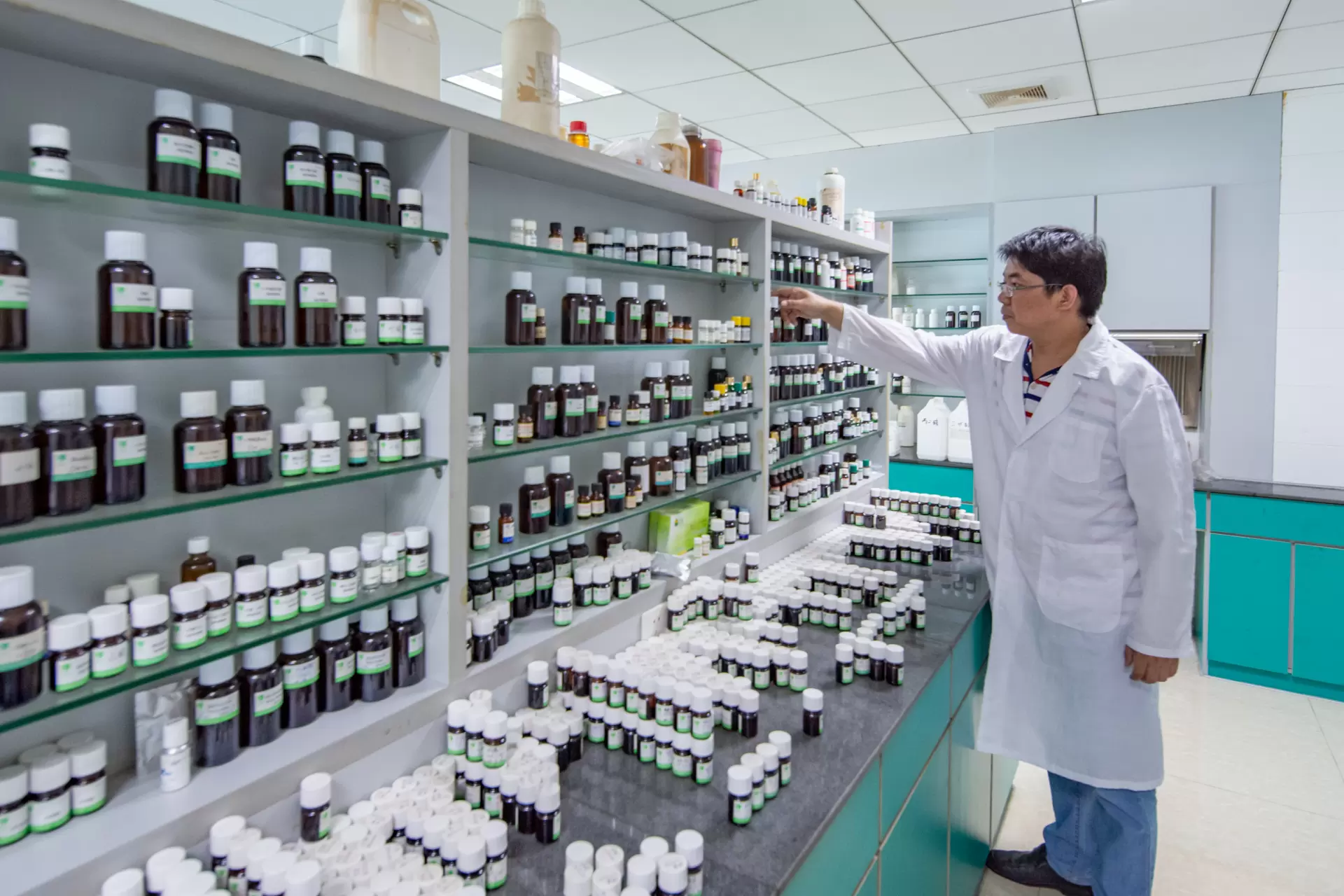
Batter, Premix, Filling, And Cream Need Different Reviews
Cake systems involve fat, sugar, starch, protein, moisture, aeration, filling, and cooling. Use rates, process limits, heat performance, storage guidance, and shelf life must be established for the selected flavor through application testing. The processing route and testing method should be included in the sample brief.
For batter applications, buyers should explain the baking or steaming process and when the product is evaluated. Aroma can feel different when the cake is hot, cooled, packed, or eaten with cream. For cake mixes, the supplier needs to know whether the flavor must disperse in a dry blend and how the consumer or factory prepares the final product.
Cream, filling, and topping systems need their own review. Fat level direction, dairy or non-dairy base, sweetness, acidity from fruit systems, and pairing with cocoa or coffee can all change flavor release. If the buyer is replacing a current cake flavouring or cake flavour powder, the brief should explain what is missing: weak aroma, harsh aftertaste, poor cream balance, or a profile that does not match the brand target.
Project challenges
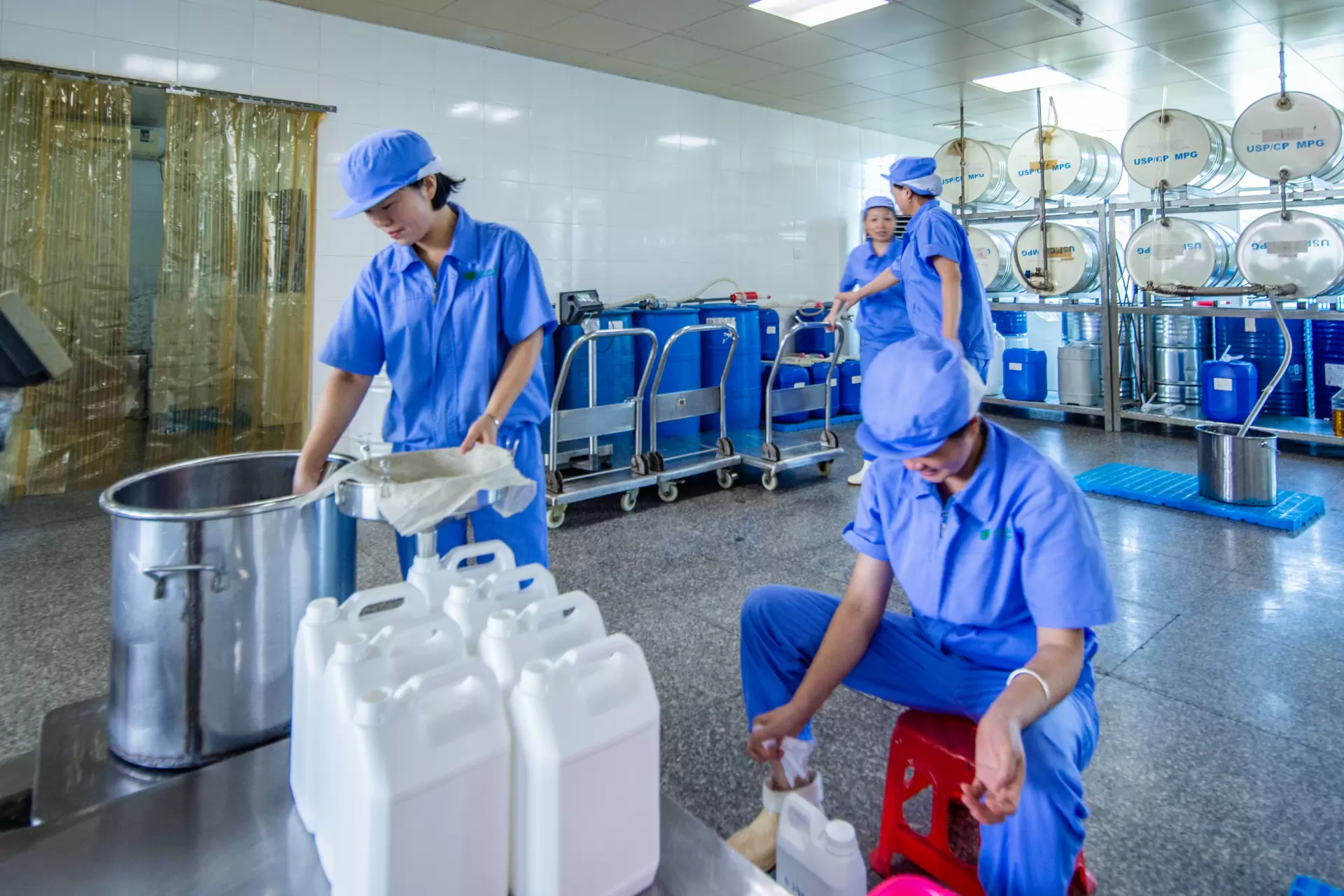
Cake Flavor Sample Review With LULIN FLAVOR
LULIN FLAVOR is the English brand used by QUANZHOU LVLIN BIOENGINEERING CO., LTD., a food-grade flavor manufacturer and supplier based in Quanzhou, Fujian. Bakery flavor inquiries can include formula context and adjustment goals for application review.
For cake flavoring projects, the useful next step is a sample request tied to the real product. Buyers can send the cake type, addition point, base conditions, target profile, preferred food flavoring format if known, destination market, and document requests. LULIN FLAVOR can review whether an existing direction, adjusted sample, or custom development discussion may fit the project.
Exact cake flavoring extracts, powder availability, use rates, sample policy, and commercial terms depend on the selected profile and quotation. A useful B2B sample brief focuses on the real cake system and evaluation method.
Cake Flavoring Should Be Reviewed In Batter, Bake, And Finished Crumb
Cake flavoring can be used in sponge cake, chiffon, pound cake, cupcake, muffin, cream cake, fillings, frosting, glaze, or premix. Buyers should test after baking and cooling because batter aroma can be stronger than finished crumb aroma.
Useful details include cake type, fat and egg context, baking temperature, bake time, moisture, filling or frosting, packaging, shelf-life target, and desired flavor direction. Vanilla, butter, milk, cream, chocolate, fruit, citrus, coconut, and caramel notes may need different heat and fat review. Determine use level and stability in the intended batter, filling, or cream system.
RFQ checklist
Optional details for follow-up sample planning
These details are optional for first contact. Share them later when they are available.
Include these details when requesting cake flavoring samples:
- Cake application: sponge cake, layer cake, muffin, steamed cake, cake mix, cream filling, whipped topping, coating, or another bakery product.
- Addition point: batter, dry premix, cream, filling, topping, coating, syrup soak, or post-bake step.
- Product base: fat level direction, moisture, dairy or non-dairy base, cocoa, fruit, coffee, cheese-style note, or other formula factors.
- Process notes: mixing, baking, steaming, cooling, whipping, filling, dry blending, or packing stage.
- Target profile: vanilla, milk, butter, cream, chocolate, fruit, coconut, coffee, caramel, cheese-style, baked, sweet, or another sensory direction.
- Project goal: stronger cake aroma, better cream balance, cleaner aftertaste, profile replacement, new flavor launch, or customer-specific adjustment.
- Preferred food flavoring format if known. Request liquid, powder, extract, concentrate, or another format for review against the chosen profile.
- Destination market and document requests. Verify each required document or certificate for the selected flavor and market.
- Testing plan: base recipe type, trial method, comparison standard, evaluation timing, internal panel, and feedback schedule.
- Commercial assumptions: launch stage and expected purchasing range if available. MOQ, price, packing, shelf life, sample terms, and delivery timing are agreed during quotation.
Buyer FAQ
Common questions before sample selection
What information should I send for cake flavoring samples?
Send the cake type, addition point, base details, process notes, target flavor profile, preferred format if known, destination market, document requests, and testing method.
Can one cake flavoring work in both batter and cream?
It may need separate testing. Baked batter and cream systems differ in fat, moisture, process, and flavor release. Buyers should evaluate samples in each intended system before approval.
Is cake flavour powder available for dry cake mixes?
Powder format may be requested for dry mixes, but availability depends on the selected profile and carrier system. Buyers should describe the dry blend and final preparation method.
How is a cake flavoring use rate determined?
Use level depends on the cake base, target intensity, process, and compliance review. Set the trial range for the selected flavor, then evaluate it after baking, cooling, filling, and storage as applicable.
Can LULIN FLAVOR support custom cake flavor development?
Custom cake flavor work can begin with formula context and adjustment goals. The workflow, sample terms, timeline, and development scope are defined after the project brief is reviewed.
What details help choose cake flavoring?
Send cake type, batter system, fat and egg context, bake temperature, bake time, filling or frosting, packaging, shelf-life target, flavor style, market, format preference, and document needs.
Topic cluster
Explore related flavor topics
Bakery Flavors for B2B Baked Goods DevelopmentCompare flavor behavior in baked and heated applications.Powder vs Liquid Food Flavors: Format Selection GuideCompare flavor form, solubility, handling, and application fit.Natural vs Artificial FlavorsReview label wording and claim-sensitive flavor questions cautiously.Food Flavor Compliance Documents Request GuideCheck which document and market questions should be confirmed before ordering.Custom Flavor Development for Food Product ProjectsMove from a general flavor search into a project-specific development brief.Sample requestStart with the product, target market, and project goal. Add technical details later if available.
Inquiry path
Move from page research to sample discussion
Start with your name, email, product or flavor, country, and project details. Add technical information only if it is already available.