Application fit
durian beverage flavoring
Durian Beverage Flavoring for Drink Development
Start with the product, target market, and project goal. Technical details are optional at first contact.
Direct answer
Durian beverage flavoring should be selected around the intended drink base, target durian character, sweetness, acidity, processing, and serving condition. Buyers should describe the finished beverage, preferred sensory direction, format preference if known, destination market, document needs, and trial method. Product fit, use level, solubility, stability, and commercial terms require item-specific review and testing before approval.
Application checkpoints
Process fit
Start With The Finished Beverage System
Review the detailed guidanceSensory fit
Review Processing And Storage Context
Review the detailed guidance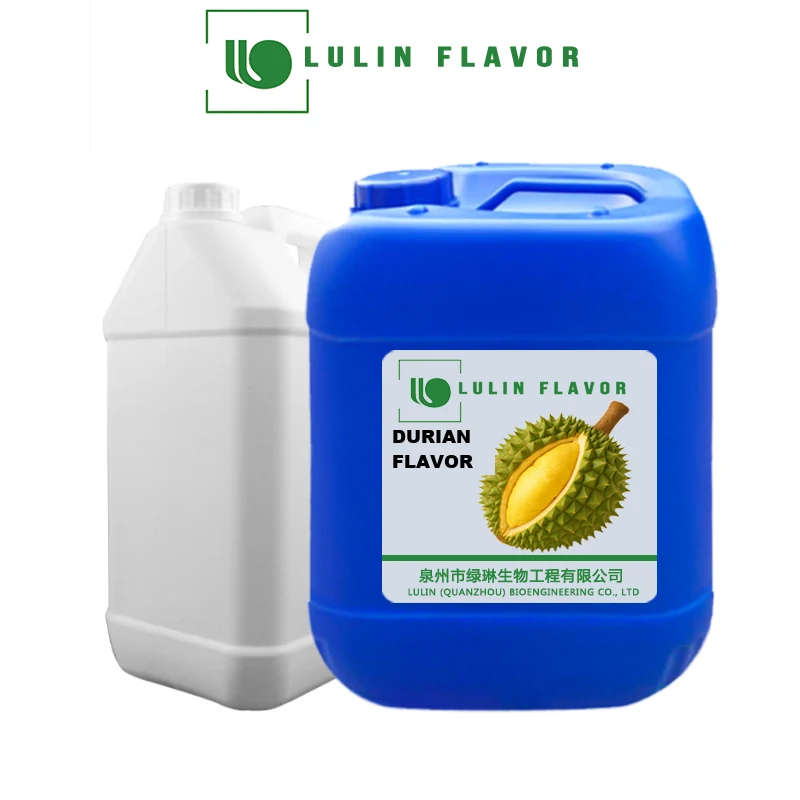
Product packaging
Durian Flavor
Durian flavor packaging for beverage sample and project review.
Start with the product or flavor and target market. Item codes, formats, documents, packaging, and commercial terms can be confirmed after we understand the project.
Request samplesApplication routes
Define The Durian Profile Before Selecting A Sample
The word durian does not describe one finished sensory target. A buyer may be seeking a ripe, creamy, custard-like, sweet, fresh-fruit, or stronger fermented-style impression. The desired balance between aroma impact, fruit body, sweetness, creaminess, and aftertaste should be stated in the inquiry. If the buyer has a benchmark, sensory language is more useful than a brand name alone.
Explain whether the goal is a recognizable durian lead note or a softer supporting note within a mixed-fruit, dairy-style, dessert-inspired, tea, or novelty beverage. A sample that suits a rich milk-style drink may not create the same result in clear water, an acidic juice drink, or a dry powder that is later reconstituted.
Avoid assuming that a natural-style sensory description establishes a regulatory or ingredient claim. Sensory direction, ingredient declaration, composition, and destination-market wording are separate review questions. The exact item and supporting documents should be checked before label language is approved.
Start With The Finished Beverage System
A useful durian beverage flavoring brief identifies the product type first. State whether the project is a ready-to-drink beverage, milk-style drink, plant-based drink, powdered beverage, syrup, juice-containing drink, tea drink, frozen drink, or another system. Include the major base characteristics that can affect perception, such as acidity, sweetness system, fat or protein, juice or fruit solids, tea notes, stabilizers, color, and cloudiness.
The formula context matters because durian can be judged differently in rich and light bases. In a creamy system, the team may focus on body, roundness, and the finish. In a clear or acidic drink, the same team may focus on top-note definition, harshness, and whether the fruit character remains recognizable. These are trial questions, not properties that should be assumed from the flavor name.
If the project combines durian with coconut, milk, vanilla, mango, banana, coffee, or another profile, list the companion notes and explain which one should lead. Also state whether the finished drink is consumed chilled, at room temperature, hot, frozen, or after dilution. Serving condition can change both aroma and perceived intensity.

Review Processing And Storage Context
Describe how the beverage is mixed and processed. Relevant details may include dry blending, hydration, homogenization, heating, holding, cooling, filling, carbonation, freezing, reconstitution, or dilution. The buyer should also state when the flavor is added and when the sample will be evaluated.
Do not infer heat performance, acid performance, solubility, clarity, shelf life, or storage behavior from packaging or from a general flavor category. Review those questions for the selected item, then test the sample in the actual formula and process. If the project has an accelerated or real-time storage protocol, include the evaluation points and the sensory changes the team will record.
For powder beverages, describe the dry mix, reconstitution ratio used by the buyer, water temperature, mixing method, and time before evaluation. For dairy-style or plant-based drinks, describe the base and process sufficiently for compatibility review. For acidic or juice-containing drinks, include the acidity context and the point at which the flavor is assessed.
Project challenges
Compare Samples With Specific Sensory Feedback
Useful feedback separates aroma, first taste, fruit body, creaminess, sweetness balance, off-notes, and finish. Instead of reporting only that a sample is too strong or too weak, state whether it feels too ripe, too green, too candy-like, too creamy, too sharp, too heavy, too fermented, or not recognizable enough in the intended base.
The team should compare samples at controlled trial conditions and record the formula version, addition method, processing history, serving temperature, and evaluation time. If color or aroma cues influence the panel, note that effect rather than changing several variables at once. A structured comparison helps the supplier understand whether the next step is a different existing direction, an adjustment discussion, or a custom-development review.
When replacing an existing flavor, explain the current problem. Examples include insufficient durian identity after processing, excessive aftertaste, poor balance with dairy or fruit notes, or a need to review a different product format. A replacement brief should describe the desired change without sharing confidential formula details that are not necessary for the initial review.
Confirm Product And Purchasing Details Separately
After a sample direction is identified, request the item-specific technical and commercial information needed for purchasing. Ask which product format, packaging, document set, storage guidance, sample policy, lead time, and order conditions apply to that exact item and destination. Do not transfer specifications from another durian flavor or from a category-level description.
The buyer should identify the destination market and the wording or documents required by the importer, customer, or internal quality team. Ingredient declarations, flavor classification, allergen information, certificates, and other compliance questions should be confirmed against the selected item. Commercial terms should be quoted for the actual quantity, packaging, shipment route, and timing under discussion.
RFQ checklist
Optional details for follow-up sample planning
These details are optional for first contact. Share them later when they are available.
Send these details when requesting durian beverage flavoring samples:
- Finished beverage: ready-to-drink drink, milk-style beverage, plant-based drink, powdered beverage, syrup, juice-containing drink, tea drink, frozen drink, or another application.
- Target durian profile: ripe, creamy, custard-like, sweet, fresh-fruit, stronger fermented-style, soft supporting note, or another sensory description.
- Base notes: sweetness, acidity, fat or protein, juice or fruit solids, tea, color, cloud, stabilizers, and companion flavors as relevant.
- Serving condition: chilled, room temperature, hot, frozen, diluted, or reconstituted.
- Process: mixing, dry blending, hydration, heating, holding, cooling, filling, freezing, reconstitution, and flavor addition point as applicable.
- Preferred format if known, or an open request for the supplier to review the application before suggesting a direction.
- Current benchmark and desired change, described with sensory terms rather than only a product name.
- Trial plan: formula version, batch size stage, comparison method, serving condition, feedback fields, and decision timing.
- Destination market and the exact technical, safety, label, certificate, or customer documents that must be checked.
- Commercial context: expected purchasing stage, quantity range, packaging needs, shipment destination, and requested timing for quotation review.
Buyer FAQ
Common questions before sample selection
What should I send when requesting durian beverage flavoring?
Send the beverage type, target durian character, base notes, processing, serving condition, preferred format if known, benchmark, destination market, document list, trial plan, and purchasing stage. These details allow the sample direction to be reviewed against the intended drink rather than the flavor name alone.
Can one durian flavor be assumed to work in every beverage?
No. Clear drinks, acidic beverages, milk-style systems, plant-based drinks, syrups, and powders can change flavor perception and handling. Review the selected item for the intended application and test it in the actual formula and process.
Is a creamy durian profile the same as a natural flavor claim?
No. Creamy, ripe, fresh, or natural-style can describe a sensory target, but they do not establish composition or regulatory classification. Confirm the exact item's documentation and approved destination-market wording separately.
How should a durian beverage sample be evaluated?
Record aroma, first taste, fruit identity, creaminess, sweetness balance, off-notes, aftertaste, serving temperature, and changes after processing or storage. Keep trial conditions controlled so feedback identifies the direction that needs adjustment.
Can a universal use level be provided?
No universal use level should be inferred. The appropriate trial range depends on the selected item, formula, target intensity, process, serving condition, and market review. Establish it through supplier guidance and finished-product testing.
Which documents should a buyer request?
List the documents required by the customer, importer, destination market, and internal quality team. Confirm availability, scope, validity, and approved wording for the exact item selected after sample review.
Topic cluster
Explore related flavor topics
Fruit Beverage Flavors for B2B Drink DevelopmentContinue to a related buyer question before requesting samples.Beverage Flavors for Drinks and Product DevelopmentCompare flavor behavior in beverage and water-based applications.Powder vs Liquid Food Flavors: Format Selection GuideCompare flavor form, solubility, handling, and application fit.Natural vs Artificial FlavorsReview label wording and claim-sensitive flavor questions cautiously.Food Flavor Compliance Documents Request GuideCheck which document and market questions should be confirmed before ordering.Custom Flavor Development for Food Product ProjectsMove from a general flavor search into a project-specific development brief.
Inquiry path
Move from page research to sample discussion
Start with your name, email, product or flavor, country, and project details. Add technical information only if it is already available.