Application fit
fruit candy flavors
Fruit Candy Flavors for Hard Candy, Gummies, And Chewy Products
Start with the product, target market, and project goal. Technical details are optional at first contact.
Direct answer
Fruit candy flavors should be chosen around the candy type, fruit direction, acidity, sweetness, texture, process, and eating time. Hard candy, gummies, jelly, and chewy candy may need different release and aftertaste balance. Buyers should send the base system, target profile, process, preferred format, and document needs, then test the selected direction in the finished candy.
Application checkpoints
Process fit
Hard Candy, Gummies, Jelly, And Chewy Candy
Review the detailed guidanceSensory fit
Fruit Candy Sample Review With LULIN FLAVOR
Review the detailed guidanceApplication routes
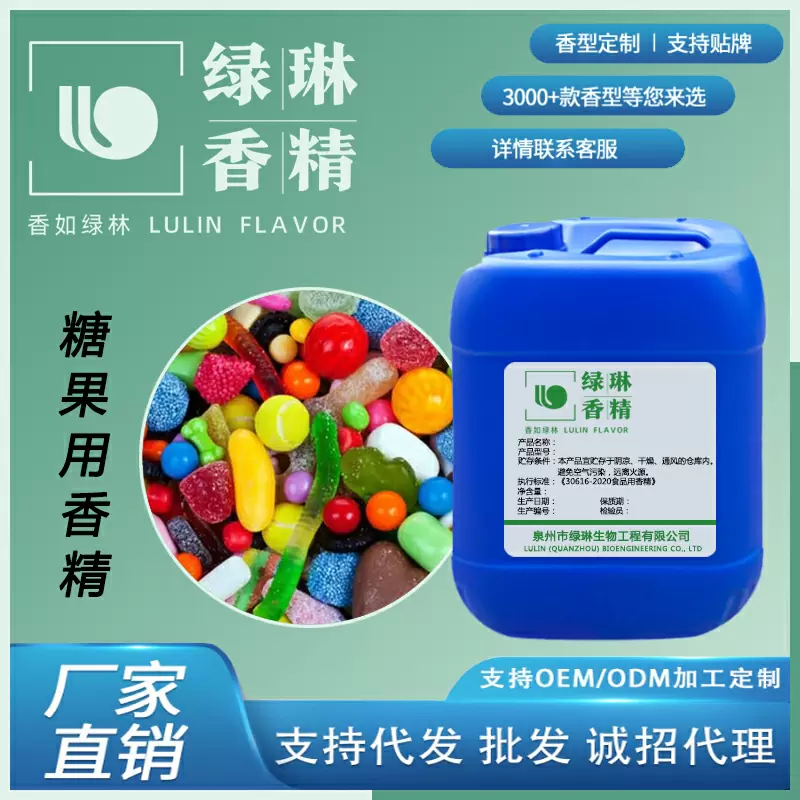
Start With The Fruit Profile And Candy Base
Fruit candy buyers often begin with familiar names: strawberry, grape, orange, lemon, apple, peach, mango, pineapple, lychee, blueberry, watermelon, mixed berry, tropical fruit, or sour fruit. The better brief adds the intended taste character. Is the target juicy, ripe, green, jammy, sour, fresh, creamy, or candy-like?
The candy base changes the answer. Sugar level, acid type, pH target, gelling system, chew, filling, coating, and process timing can all change how a fruit flavor is perceived. Establish acid and heat behavior, use level, shelf life, and storage guidance through application trials.
For replacement projects, buyers should explain what is wrong with the current flavor. Weak top note, flat fruit body, bitter aftertaste, poor sour balance, too much artificial note, or document gaps are useful details for sample selection.

Hard Candy, Gummies, Jelly, And Chewy Candy
Hard candy often needs a clean top note and a profile that remains pleasant through a long eating time. A lemon or orange hard candy may need a sharper opening than a peach or mango direction. Confirm heat-related performance in the intended candy process.
Gummies and jelly products add chew, gel structure, acid balance, and sometimes coating or sour sanding. A fruit profile that smells strong in a bottle may feel weak after gelling or may become too sharp with acid. Buyers should evaluate samples in the intended gummy or jelly base.
Chewy candy and soft candy may need more body, creaminess, or longer release. Fruit-milk, fruit-yogurt-style, fruit-cream, or fruit-caramel directions should be discussed as profile ideas only until LULIN FLAVOR confirms available product range and approved wording.

Fruit Candy Sample Review With LULIN FLAVOR
LULIN FLAVOR company materials list candy or confectionery flavors among its food product categories and describe food-grade flavor development, production, and application support. Buyers should ask which fruit candy profiles and formats are available for the intended process.
Buyers should send a product brief before asking for a sample list. A supplier can respond more usefully when it knows the candy type, acid direction, sweetness level, process, target market, and evaluation method.
If the buyer needs natural declarations, allergen statements, certificates, or country-specific documents, list them at the start and verify the scope and wording for the selected item.
Fruit Candy Flavors Need A Candy Style Choice
Fruit candy flavors may be realistic, juicy, jammy, sour, tropical, creamy, or clearly candy-like. The buyer should define the desired style before sample selection because a natural fruit direction may not deliver the same impact as a bright candy profile in hard candy or gummies.
Process matters. Hard candy needs heat review, gummies need release during chew, sour candy needs acid balance, and coatings may need stronger top-note impact. The supplier also needs to know whether the product uses sugar, polyols, acids, colors, or filling systems that affect flavor perception.
Project challenges
Feedback For Fruit Candy Trials
Describe first bite, middle flavor, sour/sweet balance, juiciness, aftertaste, and how long the profile lasts. If the sample is too jammy, too green, too candy-like, too natural, or too weak, state the desired direction. Review label and document claims separately from sensory feedback.
Buyer Decision Checkpoint
Fruit candy projects should choose between realistic fruit, juicy candy, sour fruit, creamy fruit, and novelty flavor directions before requesting too many samples. This keeps the first tasting focused. If a sample is close, feedback should describe which part of the eating sequence needs adjustment: top note, middle taste, sour balance, sweetness, aftertaste, or length of release.
Fruit Candy Flavors Should Be Matched To Acid And Eating Curve
Fruit candy flavors should be selected with the candy base and eating curve in mind. Strawberry, mango, orange, lemon, apple, grape, cherry, raspberry, pineapple, and watermelon can each shift under acid, heat, coating, sweetness, and storage.
Buyers should define fresh, ripe, candy-like, sour, juicy, jammy, tropical, or natural-profile direction for each fruit. Test first impact, fruit body, sweetness recovery, aftertaste, release length, and color effect. For multi-flavor ranges, decide whether each fruit should share the same intensity style or have individual character.
RFQ checklist
Optional details for follow-up sample planning
These details are optional for first contact. Share them later when they are available.
Send these details when requesting fruit candy flavor samples:
- Candy type: hard candy, gummy, jelly, soft candy, chewy candy, filled candy, coated candy, or another confectionery product.
- Fruit direction: citrus, berry, tropical, melon, apple, grape, peach, mango, lychee, mixed fruit, sour fruit, fruit cream, or another profile.
- Desired sensory character: juicy, ripe, fresh, green, jammy, sour, sweet, creamy, long-lasting, or clean aftertaste.
- Base system: sugar system, acid direction, gel system, chew texture, filling, coating, sour sanding, or fat-containing component.
- Process notes: heating, cooling, acid addition, gelling, depositing, coating, drying, or packing conditions.
- Preferred food flavoring format if known. Ask which liquid, powder, emulsion, or other formats fit the candy base and requested profile.
- Testing plan: lab batch, pilot batch, reference product, panel method, and approval criteria.
- Required documents and certificates: list any COA, SDS/MSDS, TDS, allergen statement, natural declaration, Halal, Kosher, FDA, EU, ISO, HACCP, FSSC, or market-specific materials the supplier must confirm for the selected product.
- Commercial details: request sample terms, MOQ, price, packing, shelf life, storage, lead time, freight, and payment terms for the selected order scope.
Buyer FAQ
Common questions before sample selection
What information should I send for fruit candy flavors?
Send the candy type, fruit direction, acid and sweetness notes, texture, process, desired format, document needs, and how the sample will be tested.
Can the same fruit flavor work in hard candy and gummies?
Not automatically. Hard candy, gummies, jelly, and chewy candy differ in processing, texture, acid balance, and flavor release. Test each intended base.
Which fruit profiles can buyers request?
Common directions include citrus, berry, tropical, melon, apple, grape, peach, mango, lychee, sour fruit, and mixed fruit. Ask which profiles are currently available for the intended candy system.
Can LULIN FLAVOR provide natural fruit candy flavors?
Natural status, declaration wording, and document availability require item-level review. Buyers should list label and market requirements during the sample inquiry.
Is there a universal dosage for fruit candy flavors?
No. Use level depends on the candy base, target intensity, process, and compliance review. Establish guidance through supplier technical review and finished-product testing.
What details help choose fruit candy flavors?
Send the candy type, target fruit style, sugar or polyol system, acid level, process heat, color or coating details, desired release, format preference, destination market, and documents needed. Test in the final candy system.
How should fruit candy flavors be briefed?
Send candy type, fruit list, target style, acid system, sweetness, heat process, coating, release goal, color target, market, format, and document checklist.
Topic cluster
Explore related flavor topics
Confectionery Flavors for Candy and Sweet ProductsCompare flavor behavior in candy, gummy, and sweet applications.Powder vs Liquid Food Flavors: Format Selection GuideCompare flavor form, solubility, handling, and application fit.Natural vs Artificial FlavorsReview label wording and claim-sensitive flavor questions cautiously.Food Flavor Compliance Documents Request GuideCheck which document and market questions should be confirmed before ordering.Custom Flavor Development for Food Product ProjectsMove from a general flavor search into a project-specific development brief.Sample requestStart with the product, target market, and project goal. Add technical details later if available.
Inquiry path
Move from page research to sample discussion
Start with your name, email, product or flavor, country, and project details. Add technical information only if it is already available.