Application fit
gummy flavors
Gummy Flavors for Jelly Candy and Chewy Confectionery
Start with the product, target market, and project goal. Technical details are optional at first contact.
Direct answer
Gummy flavors should be selected around the gel system, acid-sweet balance, chew texture, coating, and desired flavor release. Fruit, sour, cola, dairy-style, and blended profiles can behave differently in gummies than in hard candy. Buyers should share the gummy base, process, target profile, preferred format, market, and document needs before sample review.
Application checkpoints
Process fit
Plan For Flavor Release, Not Only First Aroma
Review the detailed guidanceSensory fit
Gummy Sample Review With LULIN FLAVOR
Review the detailed guidanceApplication routes
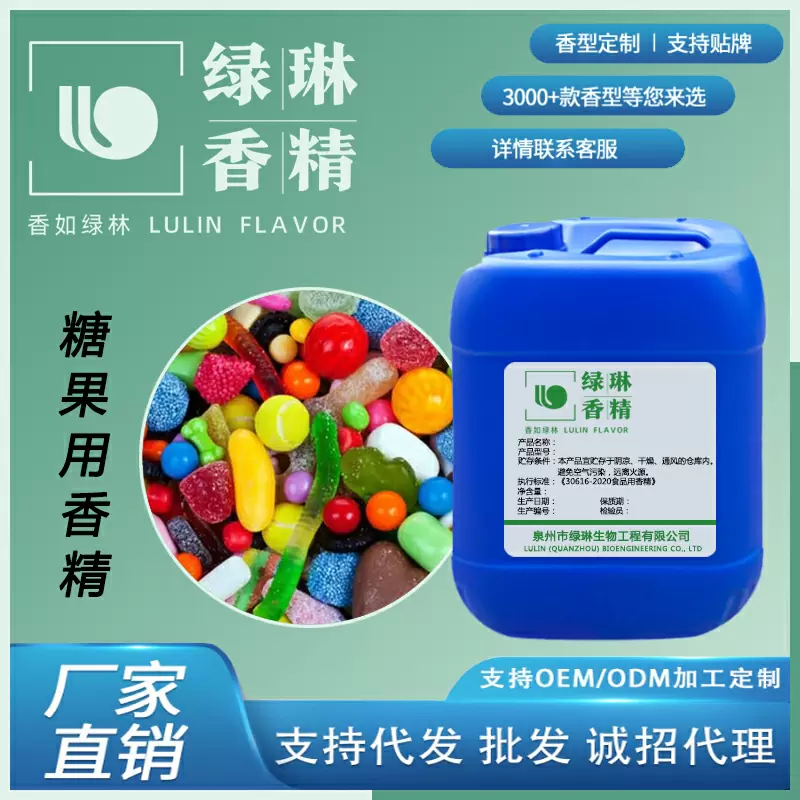
Build Gummy Flavor Around Gel, Acid, And Chew
Gummy flavors need to work inside a gelled and chewy system. The same strawberry, mango, lemon, grape, cola, yogurt-style, milk, cream, mint, or tropical fruit direction can feel different depending on gel type, sweetness, acidity, coating, and chew time.
For jelly candy flavor buyers, the starting point should be the product structure. Is it a clear gummy, pectin-style jelly, soft chewy candy, sour-coated gummy, filled gummy, vitamin-style gummy, or shaped confectionery? This guide covers food flavor selection and does not make nutrition or supplement claims.
Acid balance is especially important. A fruit flavor can taste bright, jammy, candy-like, green, ripe, or flat depending on the acid and sugar system. Buyers should describe the target character and whether the flavor should hit quickly, build through chewing, or leave a cleaner finish.

Plan For Flavor Release, Not Only First Aroma
Gummies are not judged only by the smell from the bag. Chewing changes the timing of aroma release and the balance between sweetness, sourness, body, and aftertaste. Test acid behavior, shelf stability, process performance, and use rate in the finished gummy before relying on technical guidance.
The sample brief should include processing details: cooking or mixing route, cooling, acid addition point, flavor addition point, molding, coating, sanding, oiling, drying, or packing. These details help the supplier understand where flavor loss, harshness, or slow release may appear.
If the project replaces an existing gummy flavor, explain the reason. Useful feedback includes weak fruit impact, too much chemical aftertaste, poor match with sour coating, lack of creamy body, or flavor that disappears during chewing. This gives the supplier a clearer direction than a broad request for "best gummy flavors."

Gummy Sample Review With LULIN FLAVOR
LULIN FLAVOR is the English brand used by QUANZHOU LVLIN BIOENGINEERING CO., LTD., a food-grade flavor manufacturer and supplier in Quanzhou, Fujian. Company materials list candy or confectionery flavors among its food product categories and describe application support.
For gummy and jelly candy projects, buyers can send the gel system, acid direction, sweetness level direction, target profile, process notes, preferred food flavoring format if known, destination market, and document needs. LULIN FLAVOR can review whether an existing confectionery direction, adjusted sample, or custom development discussion may fit the project.
Buyers should request format options, regulatory documents, sample terms, and commercial details for the selected gummy flavor direction.
Project challenges
Gummy Flavors Need Chew-Time Release Review
Gummy flavors should be judged during eating, not only by smelling the sample. Gelatin, pectin, starch, sugar, polyols, acid, coating, and storage can change release. A fruit flavor may start strong but fade too quickly, or it may become bitter after sour coating.
The buyer should provide gummy base type, acid system, process heat, coating, target texture, sweetness level, and desired release length. If the product is vitamin, functional, or sugar-reduced, include the active ingredient or sweetener context because off-notes may need separate review.
Gummy Flavor Development Should Include Storage And Texture Checks
Gummy flavors should be tested after production and again after storage because gel structure, moisture, acid, coating, and packaging can change release. Gelatin gummies, pectin gummies, starch-molded gummies, vitamin gummies, and sugar-reduced gummies may need different flavor direction.
The buyer should send base type, acid system, sweetness system, process heat, coating, texture target, storage route, and whether active ingredients create off-notes. After testing, feedback should describe first impact, chew-time release, body, bitterness, and finish rather than saying only “too weak” or “too strong.”
RFQ checklist
Optional details for follow-up sample planning
These details are optional for first contact. Share them later when they are available.
Include these details when requesting gummy flavor samples:
- Product type: gummy, jelly candy, pectin-style jelly, sour gummy, filled gummy, chewy candy, coated gummy, or another related product.
- Base system: gel type if shareable, sugar system, acid direction, coating, filling, oiling, sanding, or other structure notes.
- Process notes: cooking, mixing, cooling, acid addition, flavor addition point, molding, drying, coating, and packing.
- Target profile: fruit, citrus, berry, tropical fruit, cola, yogurt-style, milk, cream, mint, sour, candy-like, ripe, green, or another sensory direction.
- Release goal: strong first impact, flavor through chew, sour balance, cleaner finish, creamier body, profile replacement, or new product launch.
- Preferred food flavoring format if known. Ask which liquid, oil-based, powder, concentrate, or other format fits the gummy base.
- Destination market and document requests. Verify document or certificate availability for the selected item.
- Testing plan: bench trial, pilot trial, comparison sample, chew evaluation, internal panel, and feedback process.
- Commercial assumptions: launch stage and expected purchasing range if available. Request MOQ, price, packing, shelf life, sample terms, and delivery timing for the actual order scenario.
Buyer FAQ
Common questions before sample selection
What details should I send for gummy flavor samples?
Send the gummy type, gel or base system, acid direction, sweetness notes, process, target profile, preferred format if known, market, document requests, and testing method.
Can the same flavor work in gummies and hard candy?
It may need separate testing. Gummies and hard candy differ in texture, acidity, process, and release during eating. Buyers should evaluate samples in each confectionery base.
Why does acid balance matter for gummy flavors?
Acid can change how fruit, cola, yogurt-style, and sour profiles are perceived. Buyers should describe the acid direction and target flavor character before sample review.
Can this page claim acid stability or shelf stability?
No unsupported stability claim should be used for sourcing decisions. Evaluate acid performance, shelf stability, process performance, and use levels for the specific gummy project.
Are gummy flavor documents available?
Document availability and approved wording vary by item. Buyers should list all technical, safety, allergen, natural, certificate, and market-specific requests for product-level review.
What should buyers send for gummy flavors?
Send the gummy base, process heat, acid system, coating, sweetness system, target flavor style, release goal, functional ingredients if any, format preference, destination market, and document checklist. Evaluate during chew and after storage.
Why do gummy flavors need storage testing?
Storage can change moisture, acid perception, coating interaction, release, and aftertaste. Test in the finished gummy and send base type, process, acid, sweetness, texture, coating, active ingredients, and documents.
Topic cluster
Explore related flavor topics
Confectionery Flavors for Candy and Sweet ProductsCompare flavor behavior in candy, gummy, and sweet applications.Powder vs Liquid Food Flavors: Format Selection GuideCompare flavor form, solubility, handling, and application fit.Natural vs Artificial FlavorsReview label wording and claim-sensitive flavor questions cautiously.Food Flavor Compliance Documents Request GuideCheck which document and market questions should be confirmed before ordering.Custom Flavor Development for Food Product ProjectsMove from a general flavor search into a project-specific development brief.Sample requestStart with the product, target market, and project goal. Add technical details later if available.
Inquiry path
Move from page research to sample discussion
Start with your name, email, product or flavor, country, and project details. Add technical information only if it is already available.