Application fit
mint candy flavoring
Mint Candy Flavoring for Confectionery Development
Start with the product, target market, and project goal. Technical details are optional at first contact.
Direct answer
Mint candy flavoring should be selected by mint character, perceived freshness, candy base, sweetness, acid, process, and desired release from first impact through aftertaste. Buyers should state the confectionery type, sensory target, addition point, preferred format if known, market, document needs, and test method. Use level, process fit, stability, and commercial terms require item-specific review.
Application checkpoints
Process fit
Match The Sample To The Candy System
Review the detailed guidanceSensory fit
Describe Heat, Addition Point, And Storage
Review the detailed guidance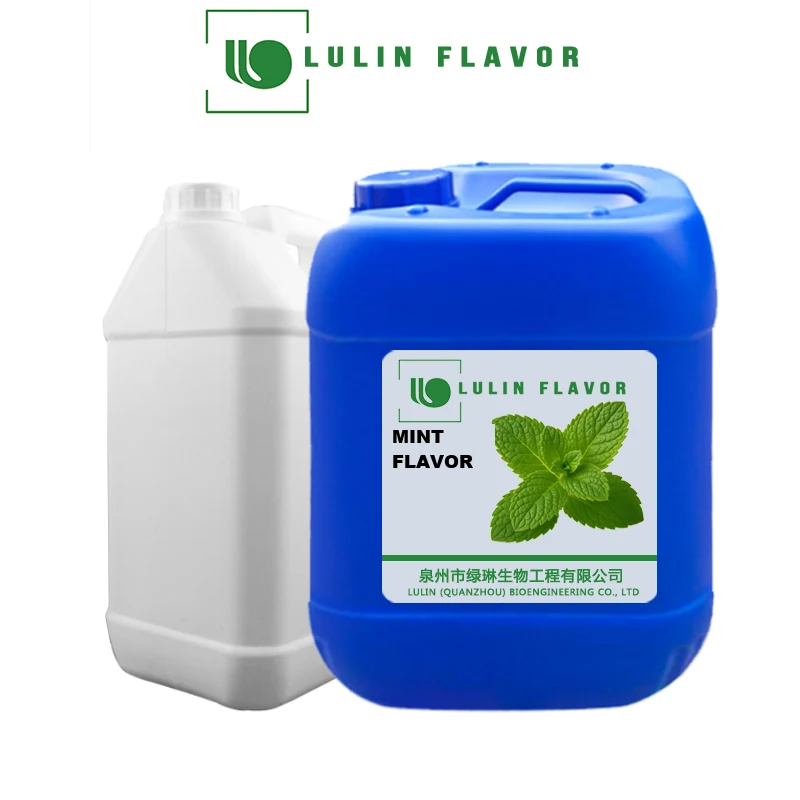
Product packaging
Mint Flavor
Mint flavor packaging for candy sample and project review.
Start with the product or flavor and target market. Item codes, formats, documents, packaging, and commercial terms can be confirmed after we understand the project.
Request samplesApplication routes
Define The Mint Character And Eating Curve
Mint is a family of sensory directions rather than one fixed profile. A buyer may describe the target as peppermint-style, spearmint-style, sweet mint, herbal mint, creamy mint, sharp mint, soft mint, or a general fresh impression. The inquiry should explain the desired aroma, sweetness balance, perceived freshness, herbal character, intensity, and finish.
The eating curve matters as much as the first aroma. Hard candy may release flavor over a long period, while a gummy, chew, tablet, coating, filling, gum, or chocolate piece can create a different timing. State whether the product needs a quick first impact, a steady middle, a clean finish, a long mint note, or a softer profile that supports chocolate, cream, fruit, coffee, or another flavor.
Do not treat mint flavor and a separate cooling effect as interchangeable. If the concept includes an additional cooling target, describe it explicitly and ask for separate technical review. The flavor name alone does not establish the presence, type, level, or suitability of any cooling ingredient.

Match The Sample To The Candy System
Identify the finished confectionery before requesting a sample. Hard candy, lollipops, gummies, chews, chocolate, compound coatings, centers, compressed tablets, gum, syrups, and powdered candy differ in water, fat, sugar, acid, process heat, and release during eating. A mint direction that feels balanced in one system may become harsh, weak, medicinal, bitter, or overly persistent in another.
Describe the base formula at a practical level. Relevant factors can include sugar or polyol system, acid, fat or cocoa phase, dairy-style ingredients, fruit notes, herbal ingredients, color, salt, and other flavors. For chocolate or fat-containing systems, explain the type of finished product and processing context. For hard candy, include the cook and addition sequence. For gummies and chews, include the acid and texture system insofar as it affects evaluation.
Ask which product format should be reviewed for the intended base and manufacturing method. Do not assume that a particular liquid, oil-compatible, water-dispersible, powder, concentrate, or other direction is available or suitable. Confirm the exact item, then test compatibility and sensory release in the finished product.

Describe Heat, Addition Point, And Storage
Processing can change mint aroma, intensity, and finish. Provide the cook temperature or heat exposure if known, holding time, cooling stage, flavor addition point, mixing method, depositing or forming step, coating or enrobing step, wrapping, and normal evaluation interval. If the product is filled or layered, identify where the mint note is placed.
Do not infer heat stability, acid stability, solubility, migration behavior, shelf life, or storage performance from a category description. These questions require review for the selected item and validation in the buyer's process. Evaluate the product after normal cooling and packaging, not only in the warm mix or unprocessed base.
Storage observations should distinguish aroma loss, flavor change, perceived freshness, sweetness balance, bitterness, and aftertaste. If mint is paired with chocolate, cream, coffee, fruit, or spice, record whether the balance shifts over time. A controlled record helps separate process loss from profile mismatch.
Project challenges
Evaluate Intensity Without Creating Harshness
Mint trials should consider more than strength. Record aroma, first taste, sweetness balance, mint identity, herbal notes, perceived freshness, bitterness, medicinal character, throat impression, finish, and duration. A stronger addition does not necessarily solve a weak or mismatched profile and may increase harshness or aftertaste.
For hard candy and lollipops, evaluate the beginning, middle, and end of consumption. For gummies and chews, record how the mint develops during chewing. For chocolate and coatings, note the interaction with cocoa, fat, sweetness, and melt. For multi-flavor products, state whether mint should lead, alternate, or remain a background note.
When giving feedback, use directional language. Examples include softer herbal character, cleaner finish, less bitterness, more recognizable peppermint-style aroma, gentler first impact, longer release, or better balance with chocolate. Keep the base and process constant when comparing sample directions.
Confirm Label, Document, And Purchasing Needs
Sensory descriptions such as fresh, herbal, peppermint-style, spearmint-style, natural-style, or cooling do not establish composition, regulatory classification, or label claims. Confirm the exact item, ingredient wording, and supporting documents before final artwork or customer approval.
List the destination market and documents required by the customer, importer, or internal quality team. After the sample direction is chosen, confirm packaging, storage guidance, sample policy, quotation, order conditions, lead time, and shipment details for that item. Do not carry specifications or commercial terms from another mint flavor into the inquiry.
RFQ checklist
Optional details for follow-up sample planning
These details are optional for first contact. Share them later when they are available.
Send these details when requesting mint candy flavoring samples:
- Finished confectionery: hard candy, lollipop, gummy, chew, chocolate, coating, filling, tablet, gum, syrup, powdered candy, or another system.
- Mint direction: peppermint-style, spearmint-style, sweet, herbal, creamy, sharp, soft, or another sensory description.
- Eating curve: quick first impact, steady release, clean finish, long mint note, soft support, or a defined beginning-middle-end target.
- Base notes: sugar or polyol system, acid, fat or cocoa, dairy-style ingredients, fruit, herbs, color, salt, and companion flavors as relevant.
- Process: cooking, holding, cooling, addition point, mixing, depositing, forming, coating, filling, wrapping, and evaluation timing.
- Preferred format if known, or an open request for supplier review based on the candy base and process.
- Separate cooling target if applicable, described without assuming that it is part of the flavor item.
- Benchmark and desired change, including mint identity, intensity, herbal character, bitterness, harshness, sweetness balance, finish, and duration.
- Trial plan: formula version, batch stage, comparison method, serving condition, scorecard, packaging, and storage observation points.
- Destination market, required documents, purchasing stage, expected quantity range, packaging need, shipment destination, and requested quotation timing.
Buyer FAQ
Common questions before sample selection
What should I send when requesting mint candy flavoring?
Send the candy type, mint direction, desired release, base notes, process, addition point, preferred format if known, benchmark, separate cooling target if applicable, destination market, document list, trial method, and purchasing stage.
Are peppermint-style and spearmint-style directions interchangeable?
They should be treated as different sensory briefs. Describe the aroma, herbal character, sweetness balance, freshness, intensity, and finish expected in the finished candy, then compare suitable sample directions in the intended base.
Is mint flavor the same as a cooling ingredient?
Not necessarily. Mint character and an added cooling target are separate technical and sensory questions. State both requirements and confirm the exact item composition and intended application before testing or label review.
Can one mint sample work in hard candy and chocolate?
It should not be assumed. Sugar glass, acid, cocoa, fat, process temperature, and flavor-release timing differ. Review and test the item in each intended application before approval.
How should mint candy trials be scored?
Score aroma, first impact, mint identity, sweetness balance, herbal notes, perceived freshness, bitterness, medicinal character, harshness, finish, duration, process change, and storage change. For long-eating products, record the beginning, middle, and end separately.
Can a universal use level or stability claim be provided?
No universal value or claim should be inferred. Establish trial guidance for the selected item and verify use level, process behavior, stability, and sensory limits in the actual formula, process, packaging, and storage protocol.
Topic cluster
Explore related flavor topics
Hard Candy Flavors for Lollipops and Boiled SweetsContinue to a related buyer question before requesting samples.Confectionery Flavors for Candy and Sweet ProductsCompare flavor behavior in candy, gummy, and sweet applications.Powder vs Liquid Food Flavors: Format Selection GuideCompare flavor form, solubility, handling, and application fit.Natural vs Artificial FlavorsReview label wording and claim-sensitive flavor questions cautiously.Food Flavor Compliance Documents Request GuideCheck which document and market questions should be confirmed before ordering.Custom Flavor Development for Food Product ProjectsMove from a general flavor search into a project-specific development brief.
Inquiry path
Move from page research to sample discussion
Start with your name, email, product or flavor, country, and project details. Add technical information only if it is already available.