Application fit
sweet flavoring
Sweet Flavoring for Candy, Desserts, Bakery, And Dairy-Style Products
Start with the product, target market, and project goal. Technical details are optional at first contact.
Direct answer
Sweet flavoring builds or adjusts sensory profiles such as vanilla, cream, caramel, honey, chocolate, fruit cream, and dessert notes. It is different from a sweetener unless an item is specifically documented for another function. Buyers should share the finished application, desired profile, base formula, process, preferred format, testing plan, and document requirements before requesting samples.
Application checkpoints
Process fit
Match Sweet Profiles To The Product System
Review the detailed guidanceSensory fit
Build A Sweet Profile Brief Before Asking For Samples
Review the detailed guidanceApplication routes
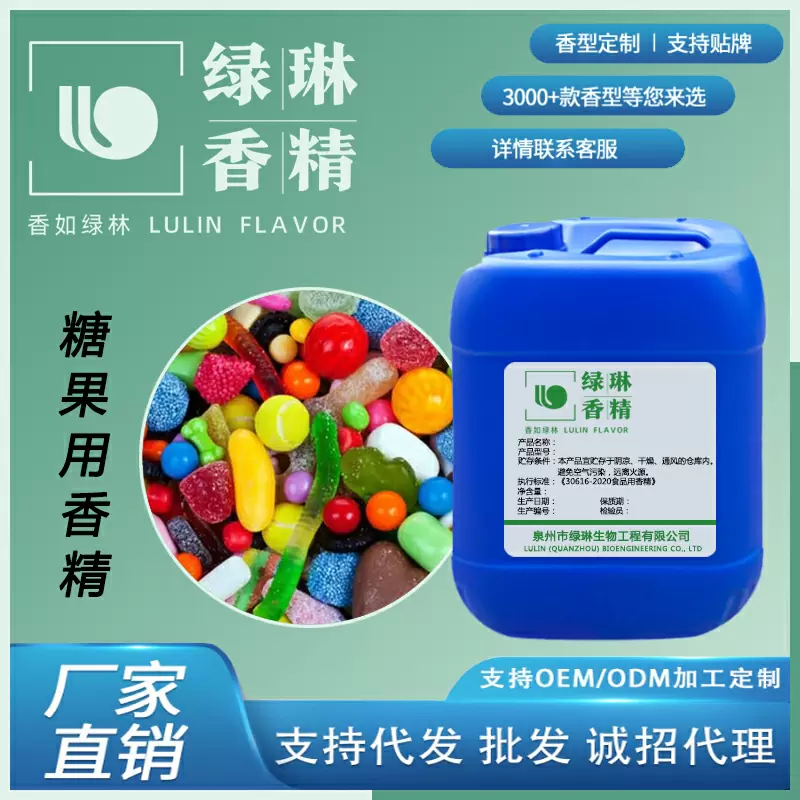
Sweet Flavoring Is About Profile, Not Sweetener Function
Sweet flavoring is not automatically a sweetener, sugar replacer, or sweetness modifier. It is a food flavoring direction used to build sweet sensory character in candy, desserts, bakery fillings, beverages, and dairy-style products. Treat sweetener function, sugar replacement, and sugar-reduction goals as separate formulation questions that require item-specific documentation and finished-product testing.
Common sweet flavor directions include vanilla, cream, milk, butter, caramel, honey, chocolate, coconut, fruit cream, custard, condensed milk, biscuit, cake, and brown sugar-style profiles. Buyers can use these descriptions to narrow the sensory target and ask which sample directions fit the intended application.
Buyers should describe the finished eating experience. A caramel note for hard candy is different from caramel in a cream filling, bakery topping, milk drink, or dessert cup. The base and process decide how the flavor should be tested.

Match Sweet Profiles To The Product System
Sweet flavoring can support confectionery, bakery, dairy-style products, beverages, fillings, coatings, syrups, and dessert systems. Each base affects aroma release, body, aftertaste, and balance with sugar, fat, starch, acid, cocoa, fruit, or dairy-style ingredients.
If the buyer is developing a candy, the brief should include candy type, acid direction, heating, texture, and intended release. If the buyer is developing a dessert or bakery filling, fat phase, creaminess, baking or heating, and storage expectations may matter. If the buyer is developing a beverage, dilution, water phase, dairy-style ingredients, and processing should be discussed.
Sweet flavoring buyers should provide use-level expectations, heat and acid exposure, solubility needs, storage conditions, and shelf-life targets. These details give the supplier enough context to discuss testing for the selected flavor and finished application.

Build A Sweet Profile Brief Before Asking For Samples
A useful sweet flavoring brief should describe the sensory job in plain language. The buyer may need a top note that smells like vanilla cream, a caramelized base that makes a dessert feel cooked, a milky body note for a beverage, or a brown sugar direction for bakery. Those are different sample routes even if they all sit inside a sweet profile category.
Pairing details help the supplier screen samples more efficiently. Cocoa can hide delicate cream notes, fruit acid can thin a dairy-style profile, and high sugar can make caramel or honey notes feel heavier. Buyers should also say whether the flavor will be added before heat, after cooking, into a powder blend, or during filling. The requested format and trial conditions should reflect the real process, storage route, and shelf-life target.
Project challenges
Sweet Flavoring Sample Review With LULIN FLAVOR
LULIN FLAVOR is the English brand of QUANZHOU LVLIN BIOENGINEERING CO., LTD. For an efficient sample discussion, buyers should provide the application, target profile, process, testing method, and required documents.
Because "sweet flavoring" is a broad category, buyers should identify the priority profile and application instead of assuming that one sample direction covers every dessert, dairy-style, bakery, or candy system.
The sample request should be practical. Ask for the finished product, target profile, base formula notes, competing flavors, process, market, and documentation needs. That makes the inquiry easier to review and less likely to become a generic flavor list.
Sweet Flavoring Should Define The Sweet Note, Not Only Sweetness
Sweet flavoring may refer to vanilla, caramel, cream, cotton candy, honey, brown sugar, marshmallow, fruit candy, bubble gum, or dessert-style profiles. It should not be confused with sweeteners. Buyers should explain whether the flavor needs to add aroma, mask aftertaste, support a reduced-sugar system, or create a dessert identity.
Helpful details include application, sweetness system, sugar reduction target if any, acidity, fat or dairy context, heat process, target flavor family, benchmark, and document needs. If high-intensity sweeteners are used, aftertaste feedback should be included because flavor choice may need masking review.
Sweet Flavoring Should Be Matched With The Sweetener System
Sweet flavoring often supports sugar-reduced, high-sweetener, dessert, beverage, dairy, bakery, and candy projects. The buyer should tell the supplier whether the flavor is expected to create a sweet aroma, cover sweetener aftertaste, add dessert body, or build a named profile such as caramel, vanilla, marshmallow, honey, or cotton candy.
Send sugar level, sweetener type if relevant, pH, fat or dairy context, heat process, and target flavor family. If the problem is aftertaste, describe whether it is bitter, metallic, lingering, thin, or artificial-tasting.
RFQ checklist
Optional details for follow-up sample planning
These details are optional for first contact. Share them later when they are available.
Send these details when requesting sweet flavoring samples:
- Finished application: candy, dessert, bakery filling, cream, coating, beverage, dairy-style product, syrup, topping, or another food product.
- Target profile: vanilla, cream, milk, butter, caramel, honey, chocolate, coconut, fruit cream, custard, cake, biscuit, brown sugar-style, or another sweet note.
- Desired sensory role: top note, creamy body, caramelized note, dairy-style support, masking support, aftertaste adjustment, or profile replacement.
- Base formula notes: sugar, acid, fat phase, cocoa, fruit, starch, gum, dairy-style ingredients, protein source, or other dominant materials.
- Process notes: heating, baking, cooling, mixing, filling, coating, dilution, fermentation-style process, or powder blending.
- Preferred food flavoring format if known, such as liquid, powder, emulsion, oil-compatible, or water-dispersible.
- Label and document needs, including any natural, allergen, certificate, COA, SDS/MSDS, TDS, Halal, Kosher, FDA, EU, ISO, HACCP, or FSSC requests, which must be reviewed for the selected item.
- Commercial planning details, including expected purchasing stage, packing preference, storage route, and timing requirements for quotation discussion.
Buyer FAQ
Common questions before sample selection
Is sweet flavoring the same as a sweetener?
No. Sweet flavoring describes a sensory profile, not a sweetener or sugar replacer. Any additional function must be evaluated separately for the specific material and finished formula.
What sweet flavor profiles can buyers request?
Common directions include vanilla, cream, milk, butter, caramel, honey, chocolate, coconut, fruit cream, custard, cake, biscuit, and brown sugar-style notes. Share the intended application so the supplier can narrow the sample discussion.
What applications use sweet flavoring?
Sweet flavoring is commonly considered for candy, desserts, bakery products, fillings, coatings, beverages, dairy-style foods, syrups, and toppings. Each application needs its own base and process review.
Can one sweet flavoring work across candy and bakery?
It may need separate testing. Candy, bakery, fillings, and beverages differ in heat exposure, fat, water phase, sugar system, and flavor release.
What documents should be requested?
Buyers should list the technical, safety, allergen, natural, certificate, and market documents required for the selected item and destination market.
What does a sweet flavoring brief need?
Send application, sweetener system, target sweet note, aftertaste issue if any, process, base formula, benchmark, market, format preference, and document needs.
Topic cluster
Explore related flavor topics
Confectionery Flavors for Candy and Sweet ProductsCompare flavor behavior in candy, gummy, and sweet applications.Powder vs Liquid Food Flavors: Format Selection GuideCompare flavor form, solubility, handling, and application fit.Natural vs Artificial FlavorsReview label wording and claim-sensitive flavor questions cautiously.Food Flavor Compliance Documents Request GuideCheck which document and market questions should be confirmed before ordering.Custom Flavor Development for Food Product ProjectsMove from a general flavor search into a project-specific development brief.Sample requestStart with the product, target market, and project goal. Add technical details later if available.
Inquiry path
Move from page research to sample discussion
Start with your name, email, product or flavor, country, and project details. Add technical information only if it is already available.