Application fit
milk beverage flavors
Milk Beverage Flavors for Flavored Milk and Dairy Drinks
Start with the product, target market, and project goal. Technical details are optional at first contact.
Direct answer
Milk beverage flavors should be reviewed in the actual drink base because dairy content, plant base, sweetness, fat, protein, heat treatment, and serving temperature can change the result. Buyers should send the product type, target profile, process, format preference, market, and document needs. The supplier can then review use rate, stability, allergen details, and commercial terms for the selected item.
Application checkpoints
Process fit
Flavor Balance In Dairy-Style Drinks
Review the detailed guidanceSensory fit
Sample Review With LULIN FLAVOR
Review the detailed guidance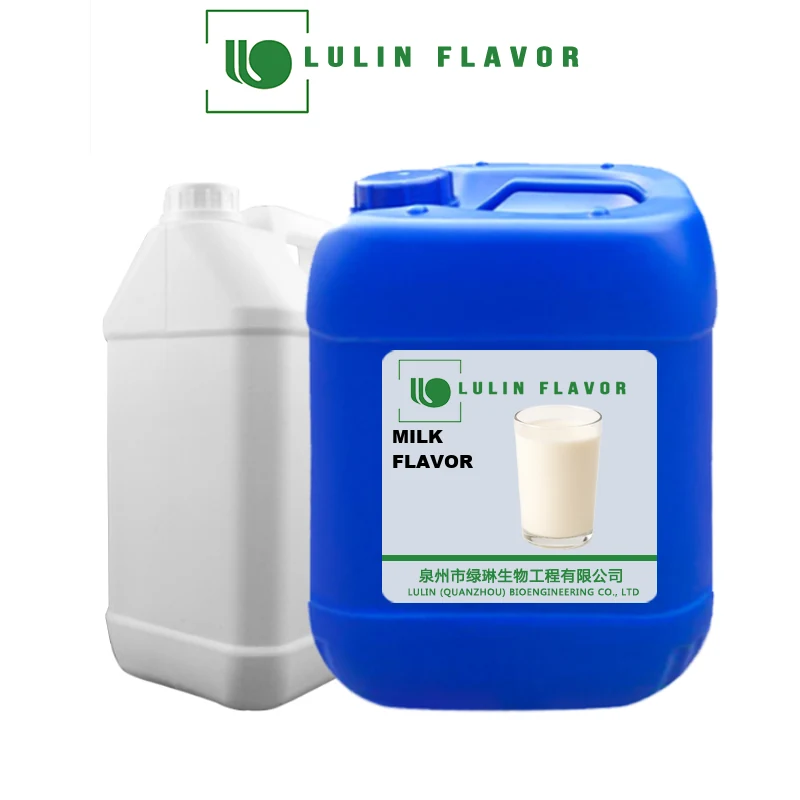
Product packaging
Milk Flavor
Milk flavor packaging for dairy-style beverage inquiries.
Start with the product or flavor and target market. Item codes, formats, documents, packaging, and commercial terms can be confirmed after we understand the project.
Request samplesApplication routes
Define The Milk Beverage Base
Milk beverage flavoring can cover flavored milk, milkshake drinks, dairy-style beverages, plant-based milk drinks, powdered milk drinks, coffee milk, chocolate milk, fruit milk, or creamy nutritional beverages. The first sample question should be the base, not only the flavor name.
The base affects the flavor. Whole milk, skim milk, reconstituted powder, plant-based base, fermented-style drink, or protein-rich formula can each change sweetness, aroma release, body, and aftertaste. If the buyer cannot share the full formula, a practical base description still helps.
For beverage projects, the sample path should match the processing route. A UHT drink, pasteurized flavored milk, chilled milkshake, and powder drink may need different review notes. Buyers should identify when the flavor is added, whether homogenization is used, and whether the finished drink is tasted cold, warm, or after storage. Review heat behavior, solubility, aroma retention, shelf life, storage, and use level for the exact sample and process.
Dairy ingredient status, nutritional effects, plant-based suitability, allergen status, and label wording cannot be inferred from the flavor name. Request item-level composition and document review for the intended market.

Flavor Balance In Dairy-Style Drinks
Milk beverage buyers may request vanilla, chocolate, strawberry, banana, mango, coffee, caramel, coconut, cream, yogurt-style, or mixed fruit profiles. A good sample should fit the drink's sweetness, fat direction, acidity, heat process, and target consumer profile.
Heat treatment, homogenization, powder blending, storage, chilled distribution, and acidity can affect the final drink. Test heat performance, cold-chain behavior, solubility, shelf life, storage, and dosage in the buyer's process.
For plant-based or dairy-free drinks, the buyer should state the base material and label target clearly. Vegan, non-GMO, allergen, and natural wording requires supporting information for the exact item and finished product.
Sensory targets should be more specific than the flavor name. A strawberry milk project may need jammy fruit, fresh fruit, candy-style, or yogurt-style balance. Chocolate milk may need cocoa depth, creamy sweetness, or reduced bitterness. Coffee milk may need roast, caramel, or dairy masking. The buyer should also state whether the flavor must cover protein, vitamin, mineral, plant, or sweetener aftertaste. Evaluate masking, compatibility, and label wording in the actual base and market.

Sample Review With LULIN FLAVOR
Milk beverage inquiries should stay focused on the actual base, process, and target profile. The supplier should state which flavor directions and formats can be reviewed after receiving that project information.
Buyers can send the milk beverage base, process, target profile, preferred format, market, and document list. The supplier can then review whether an available direction or adjusted sample may fit and explain the applicable sample process and technical guidance.
For a useful beverage trial, prepare a small comparison table before samples arrive. Track the base used, processing step, tasting temperature, trial dosage, flavor strength, aftertaste, color, sediment, and any change after storage. This makes it easier to compare a vanilla milk sample against a chocolate milk sample, or a dairy base against a plant base, without relying on memory. Request item-specific dosage, stability, solubility, shelf life, storage, and sample terms.
Project challenges

Milk Beverage Flavor Needs Heat And Protein Review
Milk beverage flavors should be tested in the real base because protein, fat, sugar, heat treatment, stabilizers, and storage can change the profile. Vanilla, chocolate, strawberry, banana, coffee, caramel, and cereal-style flavors may all behave differently after pasteurization, UHT processing, or chilled storage.
Buyers should explain whether the product is dairy milk, recombined milk, plant-based milk, protein beverage, meal replacement, flavored milk powder, or RTD drink. The supplier can then review whether the sample should focus on fresh aroma, cooked-note balance, sweetness support, masking, or stronger impact after processing.
Feedback For Flavored Milk Trials
After testing, record intensity before and after heat, sweetness balance, mouthfeel, aftertaste, sediment or clarity issues, and whether the flavor becomes cooked, artificial, bitter, or weak during storage. If the project is plant-based, identify the base source and the off-note to manage.
Milk Beverage Flavors Need Heat And Dairy Note Review
Milk beverage flavors should be tested after the real heat process and storage route. UHT, pasteurized, retorted, chilled, ambient, powdered, and plant-based milk drinks can change flavor release and aftertaste. Vanilla, chocolate, strawberry, banana, coffee, caramel, and cereal notes each need different balance.
Send dairy or plant base, fat and protein context, heat process, sweetness system, stabilizer, storage, target flavor, and whether the flavor should mask cooked milk, plant notes, or sweetener aftertaste. Review use level, shelf life, and documents for the chosen sample.
RFQ checklist
Optional details for follow-up sample planning
These details are optional for first contact. Share them later when they are available.
- Product type: flavored milk, milkshake, dairy drink, plant-based milk drink, powder drink, coffee milk, fruit milk, or creamy beverage.
- Base details: dairy content, plant base, fat level, protein level, sweetness, acidity, heat process, and serving condition.
- Target profile: vanilla, chocolate, strawberry, banana, mango, coffee, caramel, coconut, cream, yogurt-style, or benchmark profile.
- Process: UHT, pasteurization, hot fill, cold fill, powder blending, homogenization, mixing order, or reconstitution.
- Desired result: stronger aroma, richer milk note, cleaner aftertaste, fruit balance, masking, or supplier replacement.
- Format preference: liquid, powder, concentrate, emulsion, or open to review; ask which options fit the base and processing route.
- Documents: confirm any allergen, natural, vegan, non-GMO, COA, SDS/MSDS, TDS, Halal, Kosher, FDA, EU, ISO, HACCP, or FSSC information required for the selected item.
- Commercial details: provide quantity stage and destination so sample terms, MOQ, price, packaging, shelf life, storage, lead time, and export workflow can be reviewed.
Buyer FAQ
Common questions before sample selection
What are milk beverage flavors used for?
They are reviewed for flavored milk, milkshakes, dairy-style drinks, plant-based milk drinks, and powdered beverage applications.
Can one flavor work in dairy and plant-based milk?
It needs testing. Dairy and plant bases can differ in fat, protein, sweetness, and aftertaste. Evaluate the sample separately in each intended base.
Can milk beverage flavors handle UHT or pasteurization?
Heat performance, aroma retention, and stability should be tested for the specific product, heat treatment, and storage route.
What documents should I request?
List customer and market needs. Ask the supplier to confirm any allergen, natural, vegan, non-GMO, COA, SDS/MSDS, TDS, Halal, Kosher, FDA, EU, ISO, HACCP, or FSSC information for the selected item.
What should be included in a sample request?
Send the base type, process, target profile, preferred format, market, document list, and testing plan.
What should a buyer send for milk beverage flavors?
Send the milk base, fat or protein level, heat process, sweetness system, storage condition, target flavor, format preference, sample purpose, quantity stage, destination market, and document checklist. Test samples in the actual beverage base.
What should buyers send for milk beverage flavors?
Send milk or plant base, fat and protein context, heat process, sweetness, stabilizer, storage route, target flavor, masking issue, market, format preference, and document needs.
Topic cluster
Explore related flavor topics
Dairy Flavors for Food and Beverage ApplicationsCompare flavor behavior in dairy, frozen dessert, and creamy systems.Powder vs Liquid Food Flavors: Format Selection GuideCompare flavor form, solubility, handling, and application fit.Natural vs Artificial FlavorsReview label wording and claim-sensitive flavor questions cautiously.Food Flavor Compliance Documents Request GuideCheck which document and market questions should be confirmed before ordering.Custom Flavor Development for Food Product ProjectsMove from a general flavor search into a project-specific development brief.Sample requestStart with the product, target market, and project goal. Add technical details later if available.
Inquiry path
Move from page research to sample discussion
Start with your name, email, product or flavor, country, and project details. Add technical information only if it is already available.