Application fit
roasted sweet potato flavoring
Roasted Sweet Potato Flavoring for Snacks and Savory Foods
Start with the product, target market, and project goal. Technical details are optional at first contact.
Direct answer
Roasted sweet potato flavoring should be reviewed against the finished food, desired balance of roasted, sweet, earthy, and caramelized notes, seasoning system, process, and serving condition. Buyers should provide the application, base composition, addition method, target profile, preferred format if known, market, documents, and trial plan. Use level, process performance, and commercial terms require item-specific confirmation.
Application checkpoints
Process fit
Identify The Finished Food And Seasoning System
Review the detailed guidanceSensory fit
Describe The Process And Addition Point
Review the detailed guidance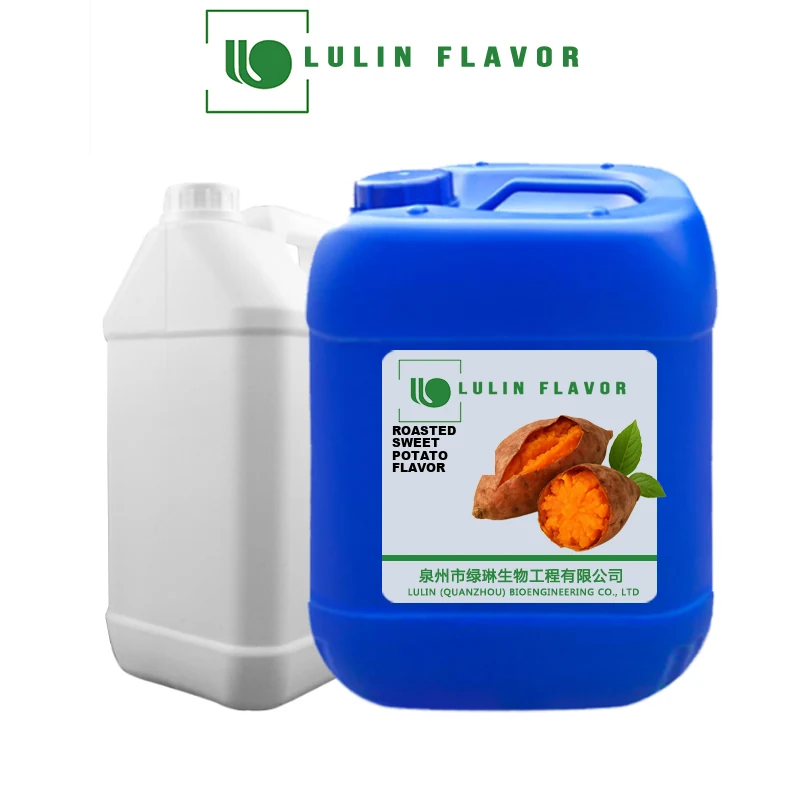
Product packaging
Roasted Sweet Potato Flavor
Roasted sweet potato flavor packaging for snack and seasoning project review.
Start with the product or flavor and target market. Item codes, formats, documents, packaging, and commercial terms can be confirmed after we understand the project.
Request samplesApplication routes

Define The Roasted Sweet Potato Direction
Roasted sweet potato can describe several sensory directions. One project may need a warm baked aroma with gentle sweetness, while another may need a darker roasted note, a drier toasted finish, an earthy root character, or a sweeter caramelized impression. The buyer should identify which part of the profile should lead and which notes should remain in the background.
The target may also depend on regional product expectations. A snack inspired by roasted whole sweet potato may be different from a sweet potato chip, a savory seasoning blend, a filled product, or a dessert-inspired snack. Describe the expected eating experience rather than relying on the flavor name alone.
If there is a benchmark, explain what should be matched or changed. Useful comments include more baked aroma, less candy-like sweetness, greater roasted depth, a cleaner root note, less smoke, less bitterness, or a shorter aftertaste. Those descriptions help separate a profile issue from a use-level or process issue.

Identify The Finished Food And Seasoning System
State whether the project is for potato or vegetable chips, corn or cereal snacks, extruded snacks, crackers, nuts, seeds, popcorn, instant foods, a seasoning powder, a sauce or filling, or another food. The same roasted sweet potato direction may behave differently in a dry powder, an oil-coated snack, a starch-heavy extrusion, or a moist cooked base.
Explain the main components that can affect perception. Salt, sugar, oil, starch, protein, dairy-style notes, spices, smoke, cheese-style notes, umami ingredients, colors, and acids can shift the balance between roasted character and sweetness. If the concept is intended to be primarily savory, state how much sweetness should be perceived in the finished product.
The flavor name does not establish whether a particular item is suitable for every base. Ask the supplier to review the selected item against the food system and addition method. Compatibility, dispersibility, process limits, and sensory fit should be established in the intended product.
Describe The Process And Addition Point
For topical seasoning, describe how the flavor enters the seasoning blend, how the blend is applied, the oil or binder context, coating temperature, and when the snack is evaluated. For extruded or baked products, state whether the flavor is added before processing, after processing, or in a separate coating. For sauces, fillings, or instant foods, explain the hydration, heating, holding, or reconstitution steps.
Heat, shear, moisture, oil, powder handling, and storage can change the perceived profile. Do not assume that a strong aroma in the raw blend will remain unchanged in the finished food. Test the selected sample through the actual process and compare it after the normal cooling, packing, and evaluation interval.
If the buyer is troubleshooting, describe the symptom and where it occurs. The issue may be weak roasted impact after baking, excessive sweetness in the seasoning, poor balance with salt or spice, a dusty top note before eating, an earthy aftertaste, or loss of identity during storage. Controlled observations help determine whether the next trial should change profile direction, trial level, or process placement.
Project challenges
Build A Controlled Sample Trial
Begin with a documented base formula and keep the comparison method consistent. Record the sample identity, trial level chosen with supplier guidance, batch stage, addition point, process conditions, coating or mixing method, cooling time, packaging, and evaluation date. Compare aroma before eating, first impact, roasted body, sweet-potato identity, salt and sweetness balance, aftertaste, and persistence.
Avoid changing the flavor sample, seasoning base, process, and color at the same time. A controlled trial makes feedback easier to interpret. If the concept uses a visual sweet-potato cue, note whether color is changing the panel's expectation of sweetness or roast intensity.
For a benchmark replacement, describe what the current product does well and where it fails. The supplier does not need confidential formula details that are unrelated to selection, but it does need enough application context to understand the result. Photographs of the finished food and a concise sensory scorecard can help the buyer communicate trial observations without claiming unverified performance.
Separate Product Confirmation From Concept Language
Words such as roasted, baked, caramelized, authentic, natural-style, or homemade can describe a concept or sensory direction, but they do not by themselves establish ingredients, manufacturing method, regulatory classification, or label wording. Confirm the exact item's composition and supporting documents before using claims on a finished product.
After sample screening, ask which packaging, storage guidance, document set, sample terms, order conditions, and shipment options apply to the selected item. Commercial details should be quoted for the actual quantity, destination, packaging, and timing. Do not copy specifications or terms from a different sweet potato or roasted flavor.
RFQ checklist
Optional details for follow-up sample planning
These details are optional for first contact. Share them later when they are available.
Send these details when requesting roasted sweet potato flavoring samples:
- Finished product: chips, extruded snack, crackers, nuts, seeds, popcorn, instant food, seasoning powder, sauce, filling, or another application.
- Target direction: warm baked, darker roasted, toasted, earthy root, gently sweet, caramelized, savory-led, or another sensory description.
- Base and seasoning notes: salt, sugar, oil, starch, protein, spices, smoke, dairy-style notes, umami ingredients, acid, color, and competing flavors as relevant.
- Addition method: blended into powder, applied in an oil or binder system, added before processing, added after processing, or included in a moist base.
- Process details: mixing, extrusion, baking, frying, coating, heating, holding, cooling, reconstitution, packaging, and evaluation timing as applicable.
- Preferred format if known, or an open request for application review before a sample direction is proposed.
- Benchmark and desired change, described by roast, sweetness, root identity, salt balance, harshness, bitterness, and aftertaste.
- Trial plan: formula version, batch stage, process record, comparison method, scorecard, packaging, and storage observation points.
- Destination market and the technical, safety, label, certificate, or customer documents that must be verified.
- Commercial context: purchasing stage, expected quantity range, packaging need, shipment destination, and requested quotation timing.
Buyer FAQ
Common questions before sample selection
What should I send for a roasted sweet potato flavoring sample?
Send the finished food, sensory target, base and seasoning notes, process, addition point, preferred format if known, benchmark, market, required documents, sample-test method, and purchasing stage. Include whether the concept should be savory-led, sweet-led, or balanced.
Can the same sample be used in chips and extruded snacks?
It should not be assumed. Product bases, oil systems, coating methods, heat exposure, and flavor release differ. Review the item for each application and run separate finished-product trials when the processes are materially different.
Does roasted sweet potato flavoring always taste sweet?
The target balance can vary. A buyer may request gentle sweetness, roasted depth, earthy root notes, a caramelized impression, or a savory-led profile. Define the desired balance and evaluate it in the complete seasoning or food base.
How should trial feedback be recorded?
Record aroma, first impact, roasted body, sweet-potato identity, salt and sweetness balance, bitterness, off-notes, aftertaste, process conditions, addition point, packaging, and evaluation timing. Describe what should increase, decrease, or change in the next trial.
Can a universal use level or heat claim be given?
No universal value or process claim should be inferred. Establish a trial range and process guidance for the exact item, then verify the result in the buyer's formula, equipment conditions, packaging, and evaluation protocol.
Which documents and commercial facts should be confirmed?
Request the item-specific documents required by the customer and destination market. Confirm packaging, storage guidance, sample policy, quotation, order conditions, shipment route, and timing for the selected item and actual buying scenario.
Topic cluster
Explore related flavor topics
Snack Flavors for Chips, Crisps, Nuts, And Extruded SnacksContinue to a related buyer question before requesting samples.Savory and Seasoning Flavors for Food ApplicationsCompare savory, snack, sauce, soup, and seasoning flavor paths.Powder vs Liquid Food Flavors: Format Selection GuideCompare flavor form, solubility, handling, and application fit.Natural vs Artificial FlavorsReview label wording and claim-sensitive flavor questions cautiously.Food Flavor Compliance Documents Request GuideCheck which document and market questions should be confirmed before ordering.Custom Flavor Development for Food Product ProjectsMove from a general flavor search into a project-specific development brief.
Inquiry path
Move from page research to sample discussion
Start with your name, email, product or flavor, country, and project details. Add technical information only if it is already available.