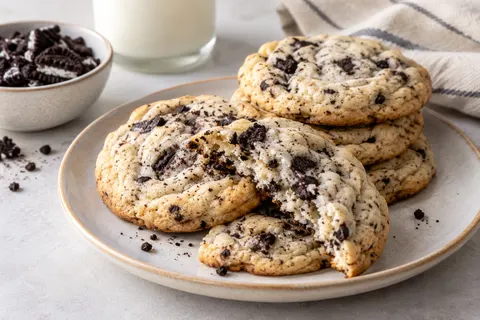
Cookies And Cream Flavoring for Cookie
Specify cookies and cream flavoring for cookie by dual note, bake path, and format; screen concentrates at a 0.40% w/w high-end benchmark after 190°C.
LULIN FLAVOR
67 Published
67
Specify cookies and cream flavoring for cookie by dual note, bake path, and format; screen concentrates at a 0.40% w/w high-end benchmark after 190°C.
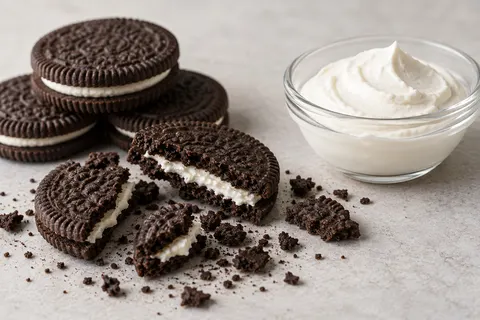
Compare cookies and cream flavoring across liquid, powder, emulsion, oil-soluble, and water-soluble formats, a 0.30% benchmark, freeze tests, and RFQ files.
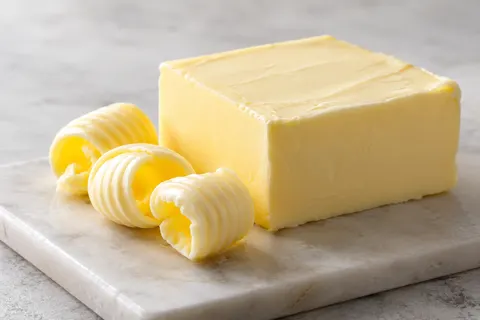
Butter food flavor extract guide for food R&D: compare 5 extract formats, screen 8 dose points from 0.05% w/w, and send a United States RFQ to LULIN FLAVOR.
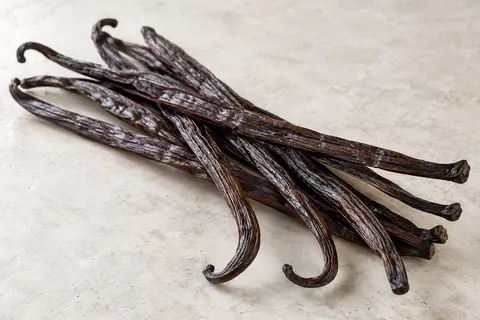
Specify vanilla flavor powder with 8 format options, a 0.30% w/w design benchmark, mesh and process checks, a sample protocol, and a United States RFQ.
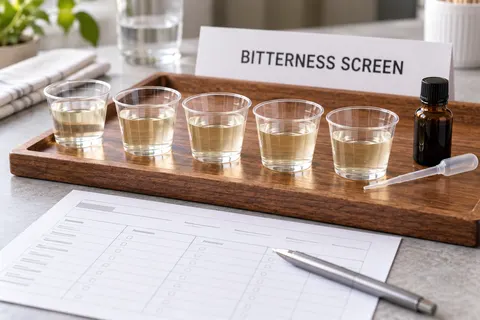
Diagnose food flavor bitterness masking with a 0.15% w/w design benchmark, a 25 ppm modulator ladder, TAS2R controls, and an RFQ brief for food R&D teams.
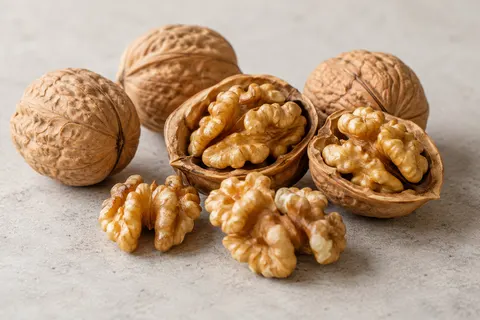
Specify walnut flavoring by English or black walnut notes, then screen liquid, powder, emulsion, oil-soluble, and water-soluble systems at 4 g/kg (0.40% w/w).
Milk flavor powder for dry-mix formulators: screen 0.05% to 0.50% w/w, start at 0.30%, and compare 8 delivery formats after process and storage checks.
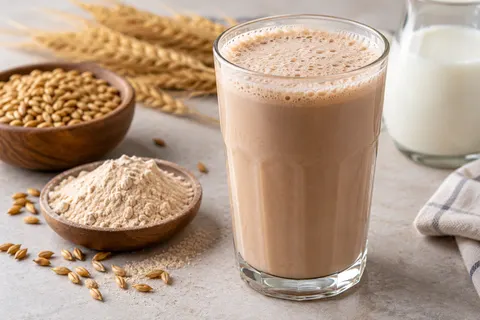
Screen malt flavoring for beverage at 0.20% w/w, compare 5 delivery systems, lock pH 6.6 or 3.4, and run a 16-week 30°C final-package test before flavor lock.
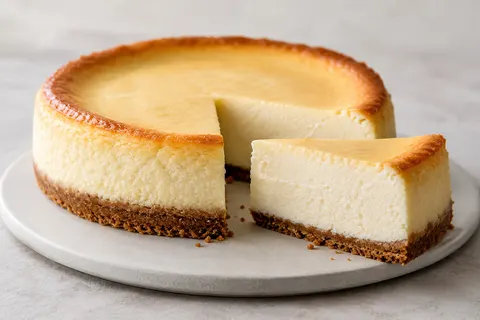
Specify cheesecake flavoring by cultured tang, crust, matrix, and 5 delivery formats; compare real-base samples with a 0.30% screening benchmark first.
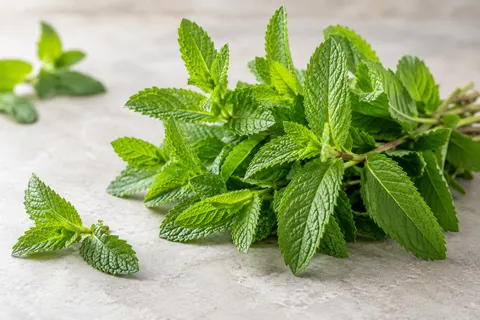
Spearmint flavoring is a carvone-led food flavor. Screen 0.15% liquid at 5°C across 6 formats, then lock heat, storage, and a U.S. RFQ.
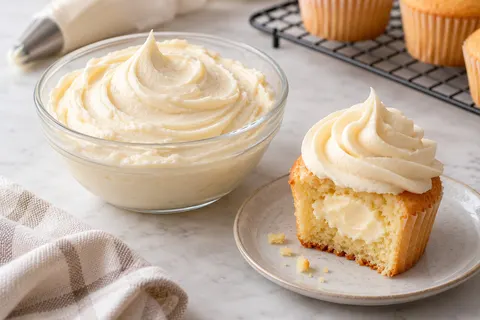
Specify filling and frosting flavoring by 12 bakery systems and six formats, then screen matched concentrates at a 0.40% w/w high-end reference benchmark.
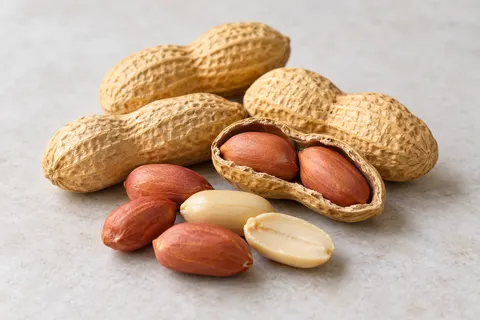
Specify peanut flavoring by roast, peanut-butter paste, matrix, and 5 delivery formats; compare real-base samples at a 4 g/kg (0.40%) screening benchmark.
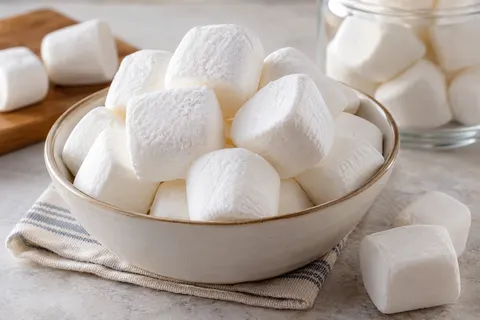
Specify marshmallow flavoring by gelatin foam, coating, protein, and toast; screen six formats at a 0.25% w/w high-end benchmark in the real food base.
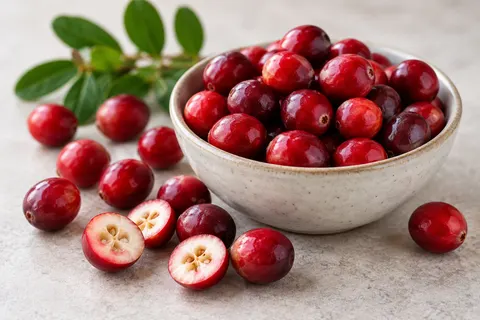
Specify cranberry flavoring by juice, cocktail or dried-fruit direction, then screen liquid at 0.05% to 0.30% w/w using 0.30% as the B2B design benchmark.
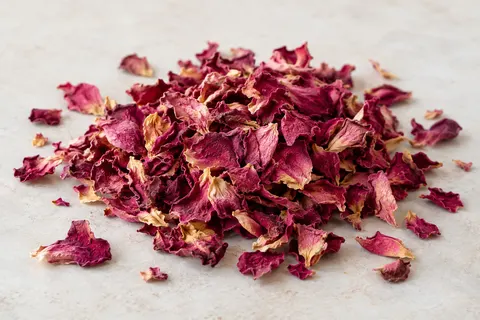
Specify rose flavoring with 6 formats, 0.10% and 0.20% liquid dose benchmarks, a 0.40% powder screen, coded samples, and a complete U.S. RFQ checklist.
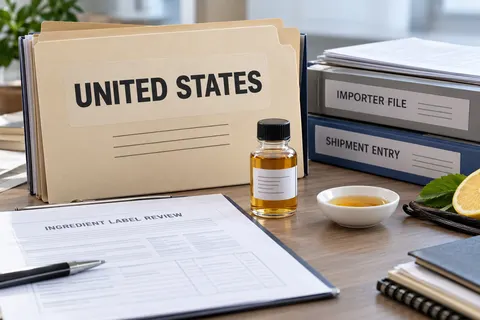
Choose a food flavor supplier for United States plants using FDA registration, FSVP, 21 CFR 101.22, and a 12-file pack. Screen at FSSC 22000 as of 2026.
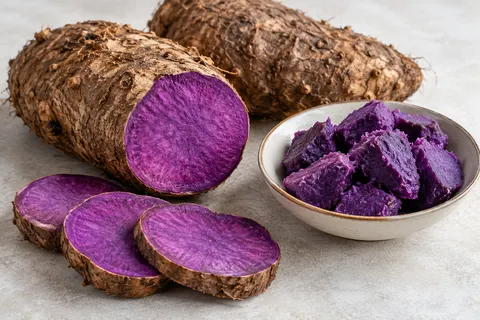
Specify ube flavoring by cooked-yam notes, matrix, process, and format; use a 0.25% w/w liquid reference screen and prepare a complete United States RFQ.
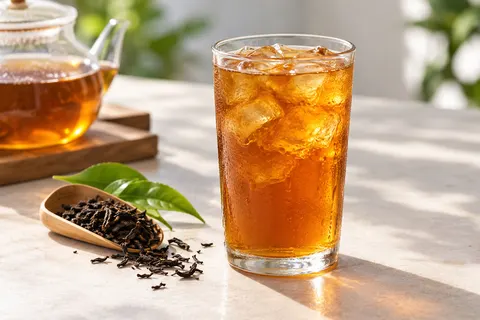
Choose tea flavoring for tea beverage formulas with 5 delivery systems, a 0.20% w/w screen, pH 3.2, a 16-week 30°C package test, and a copy-ready RFQ brief.
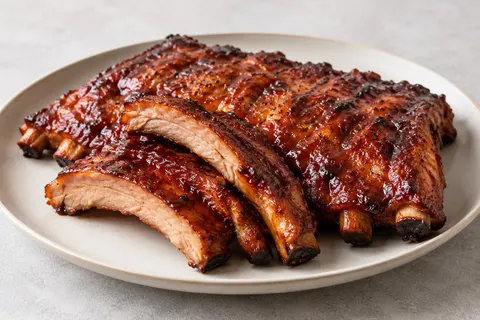
Specify BBQ flavoring by region, matrix, process, and format. Screen 5 formats at a 0.50% w/w high-end benchmark in the real snack, fry, or sauce base.
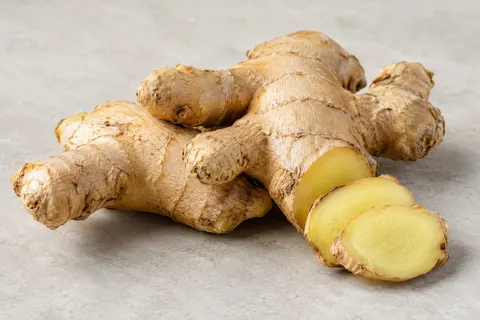
Specify ginger flavoring by aroma, heat curve, matrix, format, and process. Use a 1.00% benchmark for controlled B2B sample testing, diagnosis, and RFQs.